
Address
Phum Boeng Thum Ti Pir, Sangkat Boeng Thum, Khan Porsenchey, Phnom Penh, Cambodia. 120907
Call Us
+86-13806227077


Views: 0 Author: Site Editor Publish Time: 2025-11-24 Origin: Site


Ever wondered why your leather tool pouch loses its shine over time? This essential accessory, crafted from various leather types, demands regular care to maintain its functionality and appearance. In this post, you'll learn about the importance of cleaning and maintaining your leather tool pouch, ensuring it serves you well for years.
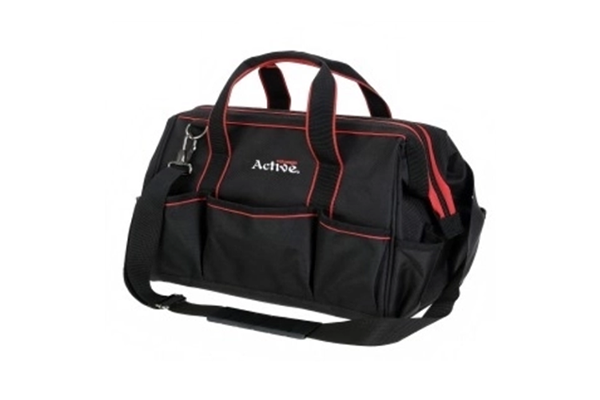
Leather tool pouches come in a variety of leather types, each offering distinct features and requiring specific care:
Full-Grain Leather: This is the highest quality leather, known for its durability and natural texture. It ages beautifully, developing a rich patina over time. It’s tough and resists wear, making it ideal for heavy-duty use.
Top-Grain Leather: Slightly more processed than full-grain, it has a smoother surface and is easier to clean. It is less durable but still offers good protection and a refined look.
Genuine Leather: Made from lower layers of the hide, it’s less durable and more prone to wear. It needs frequent conditioning to avoid cracking and stiffening.
Suede and Nubuck: These are softer, with a velvety finish. They require gentle cleaning and specialized products to maintain their delicate texture.
Knowing the leather type helps select the right cleaning and conditioning methods, ensuring longevity.
Leather tool pouches are tough but face several common issues, especially when used daily in demanding environments:
Dryness and Cracking: Exposure to heat, sun, or neglecting conditioning causes leather to dry out and crack, reducing flexibility and strength.
Mold and Mildew: High humidity or improper storage invites mold growth, which damages leather fibers and causes odors.
Water Damage: Moisture weakens leather, leading to stains, warping, or stiff spots that compromise the pouch’s shape and usability.
Fading and Discoloration: Prolonged sunlight or harsh environments can dull the leather’s natural color, making it look worn and aged prematurely.
Understanding these problems lets us address them proactively through proper care and maintenance, preserving the pouch’s function and appearance.
When you first get a leather tool pouch, taking care of it properly can make a big difference in how long it lasts. Start by gently cleaning the surface to remove any dust or residues from manufacturing. Use a soft, damp cloth to wipe it down carefully. Avoid soaking the leather or using harsh chemicals, as these can damage the material.
Next, apply a high-quality leather conditioner. This step is essential because it helps keep the leather supple and prevents it from drying out or cracking. Choose a conditioner suited to your pouch’s leather type—full-grain leather may need less frequent conditioning than genuine leather, for example. Applying conditioner regularly during the first few months of use establishes a protective layer and maintains flexibility.
After conditioning, protect the pouch against water and stains by applying a leather protectant spray. This creates a barrier that repels moisture and dirt, reducing the risk of water damage and stains. Make sure the product you choose is compatible with your leather type to avoid discoloration or damage.
Dust Off the Surface: Use a soft brush or microfiber cloth to remove loose dirt and dust. This prevents scratching during cleaning.
Apply Leather Cleaner: Use a pH-balanced leather cleaner and a lint-free cloth. Gently rub the cleaner in circular motions, focusing on dirty spots but covering the entire pouch evenly. Avoid over-wetting the leather.
Let It Dry Naturally: Air dry the pouch away from direct sunlight or heat sources like hairdryers. Heat can cause the leather to stiffen or crack.
Condition the Leather: Once dry, apply a leather conditioner using circular motions. Focus on areas that flex the most, such as straps and seams. This replenishes natural oils lost during cleaning.
Buff for Shine: After conditioning, use a clean, dry cloth to gently buff the surface. This restores the leather’s natural luster and smooth feel.
Following these initial care steps helps set the foundation for your leather tool pouch’s long-term durability and appearance. Early maintenance prevents common issues like dryness, cracking, and fading, ensuring your pouch remains both functional and attractive.
Keeping your leather tool pouch in top shape requires consistent care. Regular maintenance routines help prevent damage and extend the pouch’s life. Here’s what to do:
Condition Every 3-6 Months: Leather loses natural oils over time, leading to dryness and cracks. Applying a quality leather conditioner every few months replenishes moisture and keeps the leather soft and flexible.
Wipe Down After Each Use: Dust, dirt, and grime accumulate quickly. Use a soft, dry cloth to gently wipe the pouch after use. This prevents buildup that can wear down the leather.
Avoid Excess Moisture: Leather is sensitive to water. Store your pouch in a dry place and avoid exposure to rain or spills. If it gets wet, dry it naturally away from heat sources.
Inspect Regularly: Check for signs of wear like cracks, loose stitching, or stains. Early detection allows for timely repairs and prevents further damage.
Clean Gently: When cleaning, always use products suited for leather. Avoid harsh soaps or detergents that strip natural oils.
How you handle your leather tool pouch daily matters. Follow these tips to maintain its condition:
Do Not Overfill: Overloading stretches leather beyond its capacity, weakening fibers and causing misshaping. Carry only necessary tools to keep the pouch comfortable and intact.
Use Leather-Friendly Cleaners: Avoid household cleaners or solvents. They can dry out or discolor leather. Choose pH-balanced leather cleaners recommended by experts.
Rotate Usage: If you have multiple pouches, rotate them to reduce wear on any single one. This practice prolongs each pouch’s lifespan.
Keep Away from Sharp Objects: Be mindful of tools that might scratch or puncture the leather. Use protective sleeves or compartments if possible.
Handle with Clean Hands: Oils, dirt, or sweat from hands transfer to leather and can cause stains or deterioration over time.
Store Properly When Not in Use: Place the pouch on a flat surface or hang it to maintain shape. Avoid folding or crushing it.
By incorporating these maintenance routines and handling tips, your leather tool pouch will stay durable, functional, and attractive for years.
Tip: Regularly conditioning your leather pouch every 3 to 6 months prevents dryness and cracking, ensuring it remains supple and long-lasting.
Leather tool pouches often face tough stains and water damage due to daily use in rugged environments. Handling these issues promptly helps maintain leather’s strength and appearance.
Ink Stains: Dab rubbing alcohol on a cotton swab, then gently blot the stain. Avoid rubbing hard to prevent spreading or damaging the leather.
Oil Stains: Sprinkle cornstarch or talcum powder on the stain. Let it absorb the oil for several hours or overnight, then brush it off carefully.
Water Damage: Blot excess moisture immediately with a clean towel. Allow the pouch to air dry naturally, away from direct heat or sunlight to avoid stiffness or discoloration.
For all stains, always test any cleaning method on a hidden area first to ensure it won’t harm the leather.
Choosing between DIY leather care and professional products depends on the severity of damage and your confidence in handling leather.
DIY Solutions: Homemade remedies like diluted vinegar or olive oil might help minor stains or dryness. They are cost-effective but can risk uneven results or long-term damage if misused.
Professional Products: Specialized leather cleaners, conditioners, and protectants offer consistent, safe results. They are formulated to nourish leather, repel water, and protect against stains without altering color or texture.
Professional-grade products often include UV blockers and mold inhibitors, extending leather’s lifespan significantly. For tough stains or extensive damage, professional treatment is recommended.
Leather tool pouches react differently depending on the season, so adjusting care routines is key to keeping them in top shape year-round.
Summer: Heat and sun can dry out leather quickly. Use UV-blocking sprays to protect against fading and cracking. Wipe off sweat and oils regularly to prevent stains and deterioration.
Winter: Cold, dry air can cause leather to stiffen and crack. Remove salt stains caused by snow or ice promptly using a damp cloth. Keep leather moisturized by conditioning more frequently during colder months.
Spring and Fall: These seasons bring fluctuating temperatures and humidity. Pay attention to moisture levels and condition as needed to maintain flexibility and prevent mold growth.
Changing your care routine with the seasons helps leather stay supple and strong despite environmental stress.
Extreme weather can pose serious challenges for leather tool pouches. Here’s how to handle them:
High Humidity: Excess moisture encourages mold and mildew. Store pouches with silica gel packets or in climate-controlled areas to absorb humidity. Regularly inspect for mold and clean immediately if found.
Dry Climates: Leather dries out faster, increasing the risk of cracks. Condition more often to replenish lost oils and maintain softness.
Heavy Rain or Snow Exposure: If your pouch gets wet, remove tools promptly and let it air dry naturally, away from direct heat or sunlight. Avoid using hairdryers or heaters, which can cause stiffness or damage.
Freezing Temperatures: Avoid leaving leather pouches in freezing conditions for long periods, as this can cause leather to become brittle and crack.
By understanding how extreme weather impacts leather, you can take proactive steps to protect your pouch and extend its life.
Tip: Adjust your leather pouch care routine seasonally—apply UV protectants in summer and increase conditioning in winter to keep leather supple and damage-free.
Storing your leather tool pouch correctly is key to keeping it in great shape over time. Here are some best practices:
Use Breathable Covers: Store the pouch in a breathable fabric bag or cover. This prevents dust buildup while allowing air circulation, which reduces moisture buildup that causes mold or mildew.
Avoid Plastic Bags: Plastic traps humidity and can cause leather to become damp, leading to mold growth and damage. Fabric covers are a safer choice.
Keep Away from Direct Sunlight: Prolonged exposure to sunlight causes fading and drying, which weakens the leather. Store your pouch in a shaded or dark place.
Maintain Proper Spacing: Avoid stacking heavy items on or around the pouch. Keep it on a flat surface or hang it by its strap to help retain its shape and prevent deformation.
Clean Before Storage: Always clean and condition your pouch before storing it for long periods. This removes dirt and oils that can degrade leather over time.
Leather is sensitive to environmental conditions. Controlling climate around your storage area helps preserve the pouch’s quality:
Ideal Humidity: Aim for 40-50% relative humidity. Too much moisture invites mold, while too little causes dryness and cracking.
Temperature Control: Keep storage temperatures between 60-70°F (15-21°C). Extreme heat or cold can damage leather fibers and finishes.
Use Silica Gel Packs: Place silica gel packets near the pouch to absorb excess moisture, especially in humid climates.
Ventilation: Ensure good airflow in the storage area. Stagnant air traps moisture and odors, accelerating leather deterioration.
Following these storage guidelines preserves your leather tool pouch’s durability, appearance, and functionality. Proper storage extends its life and keeps it ready for use whenever you need it.
Leather tool pouches can last a long time if cared for properly. However, some conditions call for professional help. If your pouch shows deep cracks or feels very stiff, it may need expert restoration. Professionals use specialized techniques to repair and soften the leather without causing further damage. Severe stains or discoloration that home cleaning cannot fix also require professional attention. They can safely remove tough stains and restore the leather’s natural look.
Professional restoration is especially important if the pouch has sentimental or high monetary value. Experts can preserve the original texture and color better than DIY methods. Also, if mold or mildew has deeply penetrated the leather, professional cleaning can prevent permanent damage.
DIY restoration can be tempting and cost-effective for minor issues. Using high-quality leather conditioners or cleaners at home can improve dryness and light stains. Many leather owners successfully soften old, stiff leather by massaging in conditioners like lanolin or neatsfoot oil. Some even use homemade balms made of beeswax and oils to protect and nourish leather.
However, DIY methods carry risks. Using the wrong product or applying too much water can cause discoloration, stiffness, or even mold growth. Harsh chemicals or household cleaners may strip natural oils, making the leather brittle. Over-conditioning can also clog leather pores, reducing breathability.
DIY restoration requires patience and knowledge. It’s best to test any product on a hidden area first. If you feel unsure about the process or the damage is severe, consulting a professional is safer. Professionals have access to specialized products and tools that ensure effective and lasting restoration.
Leather tool pouches require careful cleaning and conditioning to maintain their durability and appearance. Regular maintenance and proper handling prevent common issues like dryness and cracking. For tough stains or severe damage, professional restoration is recommended. Kunyu offers high-quality leather care products that enhance the longevity and value of your tool pouch, ensuring it remains functional and attractive. Regular conditioning and seasonal care adjustments are essential for optimal pouch preservation.
A: A leather tool pouch is a durable carrying case made from leather, designed to hold and organize tools for easy access during work.
A: Clean a leather tool pouch by dusting it off, applying a pH-balanced leather cleaner with a cloth, and conditioning it to maintain flexibility.
A: Cracking occurs due to dryness from heat exposure or neglecting conditioning, which reduces the leather's flexibility and strength.


