
Address
Phum Boeng Thum Ti Pir, Sangkat Boeng Thum, Khan Porsenchey, Phnom Penh, Cambodia. 120907
Call Us
+86-13806227077


Views: 162 Author: Site Editor Publish Time: 2026-04-22 Origin: Site


Tool backpacks are an essential part of the toolkit for professionals in various industries, including electricians, carpenters, and mechanics. They offer the convenience of portability, organization, and protection for expensive tools and equipment. However, many people wonder why tool backpacks are often so expensive. In this article, we will delve into the reasons behind the high price tags of tool backpacks, from the quality of materials used to their design and functionality. We will also answer some frequently asked questions to help you better understand why investing in a high-quality tool backpack can be worth the cost.
One of the primary factors contributing to the high cost of tool backpacks is the quality of materials used in their construction. The materials selected for a tool backpack must withstand heavy wear and tear, while also providing protection for the tools inside. Here's why high-quality materials come at a higher price:
Tool backpacks are typically made from durable, high-quality fabrics such as 600D polyester or ballistic nylon. These materials are chosen because of their exceptional durability, resistance to abrasion, and ability to maintain their integrity under stress. The choice of fabric impacts both the longevity and performance of the backpack.
600D Polyester: A commonly used fabric in tool backpacks, 600D polyester is both lightweight and strong. It offers excellent resistance to abrasions, making it ideal for environments where the backpack will experience rough handling.
Ballistic Nylon: Known for its durability and tear resistance, ballistic nylon is a more expensive material often used in premium tool backpacks. It can withstand heavy use in harsh environments like construction sites.
Material | Durability | Weight | Resistance |
600D Polyester | High | Light | Abrasion & Water |
Ballistic Nylon | Very High | Heavy | Abrasion & Tear |
The stitching and zippers used in tool backpacks also contribute to their cost. Heavy-duty zippers and reinforced stitching at stress points are necessary to ensure the backpack can withstand the weight and frequent use without falling apart.
Heavy-Duty Zippers: High-quality zippers are designed to resist corrosion and wear, ensuring the backpack remains functional for many years. Manufacturers often opt for YKK zippers, known for their durability.
Reinforced Stitching: Critical seams and stress points in tool backpacks are double or even triple-stitched for added strength. This increases the labor and material costs but ensures the bag holds up under heavy loads.
Many tool backpacks also feature metal buckles, adjustable straps, and reinforced handles. These components are made from durable metals such as aluminum or stainless steel, which are more expensive but necessary to support the weight of the tools.
One of the defining features of a tool backpack is its organizational design. Tool backpacks typically have multiple compartments, pockets, and dividers to help keep tools organized and easily accessible. This is important for professionals who need to quickly find the right tool in a fast-paced environment.
Main Compartment: The large central section for storing bigger tools or items.
Small Pockets: For storing smaller tools, pens, screws, and accessories.
Side Pockets and Loops: Designed for carrying power tools, cables, or other larger equipment.
The inclusion of these specialized compartments requires additional time and effort in pattern design and manufacturing, which raises the overall price of the backpack.
Compartment Type | Purpose | Example Tools Stored |
Main Compartment | Store larger tools | Hammer, Drill, Wrenches |
Small Pockets | Store small tools or items | Screws, Tape Measure, Pens |
Side Pockets and Loops | Carry power tools & cables | Power Drill, Extension Cords |
Professionals who use tool backpacks on a daily basis need to carry heavy loads without straining their bodies. As a result, tool backpacks are designed with ergonomic features that increase comfort and reduce the risk of injury:
Padded Straps: To relieve pressure from the shoulders and neck.
Breathable Back Panel: For better air circulation and reduced sweating.
Adjustable Straps: For a custom fit, ensuring comfort even during long periods of use.
These ergonomic features require additional materials, design time, and testing, contributing to the backpack's higher cost.
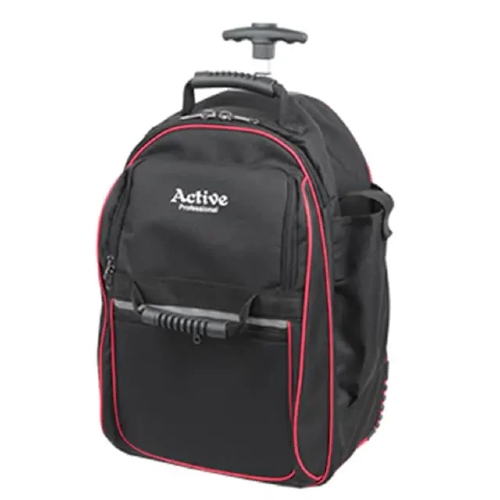
Tool backpacks are often used outdoors in harsh conditions, which is why weatherproofing is a significant factor in their design and cost. Premium tool backpacks are made with water-resistant or waterproof materials that help protect tools from rain, moisture, and dust.
Waterproof Coatings: Tool backpacks may feature special coatings or laminated layers that make the material waterproof.
Reinforced Bottoms: Many high-end tool backpacks have reinforced bottoms made from thick rubber or PVC, which prevents wear when the backpack is placed on rough surfaces or the ground.
A tool backpack must be able to withstand heavy loads, sharp tools, and rough handling. To achieve this, manufacturers use heavy-duty materials and strong stitching to create backpacks that are highly durable. Reinforced bottoms and sides ensure the backpack can hold significant weight without deforming.
The brand plays a significant role in the pricing of tool backpacks. Established brands, such as Veto Pro Pac, Klein Tools, and DEWALT, are known for their premium quality, which often comes with a higher price tag. Consumers are willing to pay more for products from trusted brands because they associate these brands with reliability, durability, and warranty support.
High-quality tool backpacks often go through extensive testing and development to ensure they meet the demands of professionals. Companies spend money on innovation, testing materials, and improving designs to keep up with industry standards and consumer expectations. This investment in R&D is reflected in the product's price.
Many premium tool backpacks are designed to serve multiple functions. They are not just tool carriers but also function as work bags or travel backpacks. This versatility allows the backpack to be used in various settings, from construction sites to outdoor adventures.
Multi-Use Backpack: Can be used for carrying tools, camping gear, or office supplies.
Heavy-Duty Features: Suitable for travel, outdoor use, and commuting.
This added versatility increases the overall value of the backpack and justifies the higher price.
High-quality tool backpacks require skilled labor to produce. The precision required for cutting, stitching, and assembling a durable and functional tool backpack demands experienced workers. Additionally, the cost of quality control to ensure that each backpack meets stringent standards adds to the overall cost.
The location where tool backpacks are made also affects their price. If the backpacks are produced in countries with high labor costs, such as the United States or Western Europe, the final price of the product will be higher. In contrast, products manufactured in countries with lower labor costs, such as China or Cambodia, may have lower manufacturing expenses, but the quality of materials and design can still justify a premium price.
The high price of tool backpacks is driven by several key factors, including the use of premium materials, ergonomic designs, weatherproofing, brand reputation, and exceptional durability. These backpacks are crafted to provide maximum protection for your tools, ensuring they stay secure and organized even in the toughest environments. They are designed to deliver long-lasting comfort, especially during extended hours of use, and can withstand harsh working conditions. For professionals who rely on their tool backpacks day in and day out, the investment is often justified by the enhanced functionality, comfort, and longevity these products offer.
If you are looking for high-quality tool backpacks that cater to your specific needs, we at Kunyu Tool Bags (Cambodia) Co., Ltd. specialize in designing durable, ergonomic, and versatile solutions. Our products are built to help you work more efficiently, while ensuring your tools are safe and easy to access. Feel free to reach out to us for more information or to discuss how we can provide the perfect tool backpack for your needs.
600D polyester, ballistic nylon, and waterproof coatings are commonly used materials. These fabrics offer durability, abrasion resistance, and weather protection.
While DIY enthusiasts may not need the same level of durability, high-quality tool backpacks still offer excellent organization and long-term use. They are a good investment for those who work with tools regularly.
Ergonomic features, such as padded straps and breathable back panels, increase the cost of a tool backpack because they require additional materials and design considerations to improve comfort during extended use.
Premium tool backpacks feature high-end materials, durable construction, ergonomic features, weatherproofing, and brand reputation. These factors contribute to their higher cost but offer greater durability and functionality.
Yes, you can find budget-friendly tool backpacks that offer reasonable durability and functionality. However, they may not have the advanced features or long lifespan of more expensive options.


