
Address
Phum Boeng Thum Ti Pir, Sangkat Boeng Thum, Khan Porsenchey, Phnom Penh, Cambodia. 120907
Call Us
+86-13806227077


Views: 143 Author: Site Editor Publish Time: 2026-05-01 Origin: Site


Tool backpacks are essential for professionals in various industries, providing an efficient way to carry and organize tools. However, one common challenge is the weight of the backpack, which can be burdensome, especially for those who need to carry it for long periods. A heavy tool backpack can lead to physical strain, reduced productivity, and discomfort. This article explores how to make a tool backpack less heavy while ensuring that all essential tools remain accessible and organized. We will cover strategies such as prioritizing essential tools, choosing lighter equipment, and selecting ergonomic backpacks.
A tool backpack's weight can vary depending on several factors. The primary contributor to the weight of a tool backpack is the number and type of tools it contains. However, it’s not just the tools themselves that add weight; the materials of the backpack and its features also play a significant role. Some common factors contributing to the weight of a tool backpack include:
Tools: The size, material, and quantity of the tools are the most significant weight contributors. Heavy-duty tools, such as drills, hammers, and power tools, will naturally add substantial weight.
Backpack Material: The type of material used in the construction of the backpack, such as canvas, nylon, or polyester, can influence its weight. While thicker and more durable materials may provide added protection, they can also add to the overall weight of the backpack.
Compartments and Features: Some tool backpacks come with multiple compartments, extra pockets, and features like padding, zippers, and reinforced straps. While these features offer added convenience, they can also add extra weight.
Carrying a heavy tool backpack for extended periods can lead to several physical issues, including:
Muscle Strain: A heavy backpack puts strain on the shoulders, neck, and lower back, especially if the weight is not evenly distributed.
Fatigue: Carrying unnecessary weight can lead to fatigue, making it harder to concentrate and reducing productivity during the workday.
Injuries: Prolonged carrying of a heavy load can increase the risk of repetitive stress injuries, such as shoulder or lower back pain.
One of the easiest ways to reduce the weight of a tool backpack is by carefully evaluating which tools are necessary for your daily tasks. If you are carrying items that you rarely use, it’s time to reassess and leave those tools behind. Prioritizing essential tools will not only lighten your load but will also make your tools more accessible.
Here are some steps to help you assess your daily tool needs:
List Your Most Commonly Used Tools: Make a list of the tools you use every day. These are the tools that should be prioritized in your backpack.
Eliminate Unnecessary Items: Identify tools that you rarely use or only use on special occasions. Leave these out of your everyday carry.
Organize by Frequency of Use: Place the most frequently used tools in the easily accessible pockets and compartments of your tool backpack.
Effective organization is key to making your tool backpack lighter and more efficient. By organizing tools based on their frequency of use, you can ensure that the tools you need are easily accessible, while also reducing unnecessary weight.
Tool Type | Frequency of Use | Recommendation |
Power tools | High | Keep easily accessible in the main compartment. |
Hand tools (pliers, wrenches, etc.) | Moderate to high | Use small sections or pouches for easy reach. |
Specialty tools | Low | Keep in separate, less accessible pockets to reduce backpack weight. |
Personal items (e.g., gloves, tape) | Occasional | Store in smaller, lightweight sections or front pockets. |
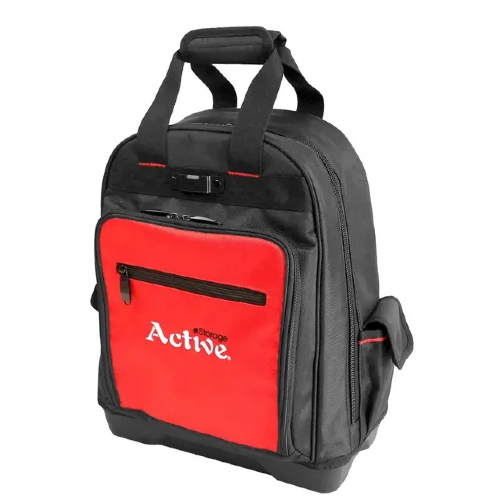
When it comes to reducing the weight of your tool backpack, choosing lightweight tools is one of the most effective strategies. Tools are typically made from a variety of materials, and the material choice plays a significant role in their weight.
Titanium vs. Steel: Titanium tools are significantly lighter than their steel counterparts while maintaining similar strength and durability. Consider replacing heavy steel tools with titanium or aluminum alternatives if weight reduction is a priority.
Plastic and Composite Tools: Some tools, such as screwdrivers or pliers, are available in plastic or composite material options, which can reduce weight without sacrificing function.
Compact Tools: Look for compact or multi-functional tools. A smaller, multi-purpose tool can serve the same function as several larger ones, reducing the overall weight of your backpack.
Instead of carrying multiple separate tools, consider using multi-functional tools that can perform a variety of tasks. Multi-tools can save space and reduce weight by consolidating several tools into one compact, easy-to-carry item. Some examples include:
Multi-purpose knives with multiple blades, screwdrivers, and pliers.
Compact toolkits that include various small tools in one unit.
Power tools with interchangeable attachments to avoid carrying separate units.
In addition to reducing the weight of the tools themselves, selecting a tool backpack made from lightweight materials can significantly reduce the overall load. Modern tool backpacks are often made from synthetic fabrics like nylon or polyester, which offer both durability and reduced weight compared to traditional materials like canvas.
Nylon is a strong, lightweight material that is water-resistant and durable.
Polyester is another lightweight, weather-resistant material commonly used in tool backpacks.
Ballistic nylon offers extra durability for heavy-duty backpacks, but there are lighter options available for those looking to reduce weight.
Ergonomic design features are essential for reducing the impact of carrying a heavy tool backpack. A well-designed backpack with padded shoulder straps and a breathable back panel helps distribute the weight evenly, reducing strain on the body. Look for tool backpacks with the following ergonomic features:
Padded Shoulder Straps: These help distribute the weight evenly across the shoulders, reducing pressure points and fatigue.
Adjustable Straps: Adjustable straps allow you to customize the fit to your body, providing better weight distribution.
Breathable Back Panel: A breathable mesh back panel improves air circulation, reducing sweat and discomfort when carrying the backpack for extended periods.
Effective organization within the tool backpack is crucial for reducing the strain caused by uneven weight distribution. A well-organized backpack allows the weight to be distributed evenly across the back, making it more comfortable to carry.
Centralize Heavy Items: Place the heaviest tools in the center of the backpack, close to your back. This helps keep the weight balanced and reduces the pressure on your shoulders.
Use Smaller Sections for Lighter Items: Lighter items should be placed in the outer compartments to keep them from adding unnecessary weight to the central part of the backpack.
Avoid Overpacking: A common mistake is overpacking the backpack. Stick to the essentials and avoid cramming unnecessary items into every available pocket.
Using a backpack with a multi-pocket system can help you organize your tools by type, size, and frequency of use. This ensures that heavy tools are placed in the right areas, and lighter tools are kept in more accessible spots.
One way to lighten your tool backpack is by using additional accessories such as tool pouches or waist bags. These accessories allow you to carry tools at the waist, freeing up space in the backpack for other tools.
Waist bags are perfect for carrying frequently used items such as tape measures, screwdrivers, and pliers.
Tool pouches can be attached to the backpack or worn separately, allowing you to carry tools without overloading your main backpack.
Another solution is to use a rolling tool backpack. These backpacks come with wheels, allowing you to roll the bag instead of carrying it. This option is especially useful for workers who need to carry a heavy load for long distances or between different job sites. A rolling tool backpack helps offload the weight from your shoulders, reducing strain.
Making your tool backpack lighter requires a thoughtful approach, combining strategies like choosing lightweight tools, opting for ergonomic designs, and prioritizing essential items. By selecting multi-functional equipment and organizing your backpack efficiently, you can significantly reduce the weight without sacrificing the tools necessary for the job. These steps not only help maintain comfort and reduce fatigue but also enhance your overall productivity.
At Kunyu Tool Bags (Cambodia) Co., Ltd., we specialize in crafting high-quality, durable, and ergonomic tool backpacks designed to meet the unique needs of professionals across various industries. Our backpacks are engineered to provide comfort, functionality, and organization, ensuring that your tools are easily accessible and well-protected. If you're looking for the perfect tool backpack that balances weight, durability, and design, we invite you to explore our range of products. Get in touch with us today to learn more about how we can help you lighten your load while maintaining the efficiency and effectiveness of your work.
Assess which tools you use most frequently and remove tools that are only occasionally used. Store less frequently used tools separately or leave them out of your daily carry.
Yes, lighter materials such as titanium and composite plastic can provide the same strength and functionality as heavier materials like steel, with the added benefit of reducing weight.
Tool backpacks made from materials such as nylon, polyester, or ballistic nylon are lighter compared to traditional canvas backpacks while offering durability and weather resistance.
Using multi-functional tools is often more efficient than carrying several separate tools, as they combine the functions of multiple tools in one compact unit.
Place the heaviest tools in the central, closest-to-your-back compartments and use smaller sections for lighter items. This ensures an even weight distribution and reduces strain on your shoulders.


