
Address
Phum Boeng Thum Ti Pir, Sangkat Boeng Thum, Khan Porsenchey, Phnom Penh, Cambodia. 120907
Call Us
+86-13806227077


Views: 168 Author: Site Editor Publish Time: 2026-03-06 Origin: Site


A sliding Tool Belt can ruin your rhythm fast. You stop, re-tighten, and lose time. Worse, it can spill small parts right when you need them.
In this guide on how to keep tool belt from sliding down, you’ll learn the real causes—fit, load, and friction—and the quickest fixes. We’ll show setup steps, upgrade options, and job-specific tips so your belt stays put.
Start by checking where you wear your Tool Belt. Many people wear it on the waistline. That spot sits above the hip bones. It gives less “shelf” to hold weight. Move it down onto your hips instead. It should feel locked, not dangling. Next, check sizing range and strap length. A belt can feel tight and still slip. That often means it rides on soft tissue. It can also mean the belt is too narrow. A narrow belt “cuts” into clothing, then slides. Also watch for loose buckle travel. If tension changes during movement, hardware may be slipping.
Load can pull the Tool Belt down even when fit looks right. Heavy pouches act like a lever on your hips. The farther forward they sit, the stronger the pull. Overloaded fastener pockets cause steady sag. Uneven loads create rotation, then sliding follows. A hammer plus full fastener pouch on one side is common. It makes the belt drift toward the heavy side. Then gravity takes over and it drops. Keep your core tools close to your hips. Stage bulky extras in a tote or cart. Your belt should carry the “now” tools only. When you carry less, it grips better and moves less.
Some Tool Belt rigs slide because they cannot hold shape. Soft belts roll under load, then slip downward. Worn webbing can stretch during the day. Once it stretches, it never feels stable again. Weak stitching can let pouches pull outward and down. Buckles can also creep under repeated bending. Look for shiny worn spots on the strap near the buckle. That often signals slipping hardware. Check belt edges for curling. Curling reduces contact area and lowers friction. If the platform is worn out, setup tricks help less. At that point, upgrades make more sense.
What you notice | Likely cause | Quick check |
Belt drops after 10 minutes | Worn strap or slipping buckle | Mark strap position, then recheck later |
Belt twists to one side | Uneven load | Move heavy tools to the other side |
Belt slips on smooth pants | Low friction | Try a grip liner or rougher undershirt layer |
Belt rolls and digs in | Soft or narrow belt | Press the belt edge; it should resist folding |
Tight belt still slides | Wrong ride height | Move it onto hip bones and retest |
Note: For B2B programs, track “slip complaints” by trade and loadout style.
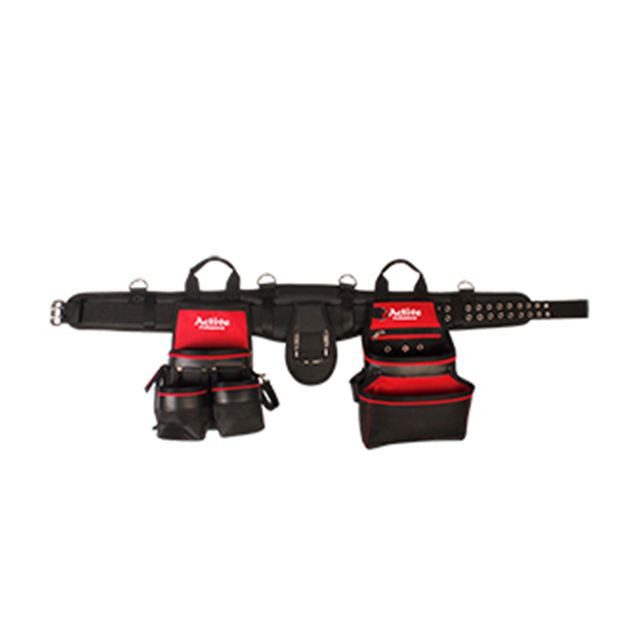
Ride height is the first big fix. Put the Tool Belt on your hip bones. It should sit lower than your pants beltline. Think “pack waist belt,” not “dress belt.” This position reduces downward creep during walking. It also reduces tipping during kneeling. Once it sits right, lock the position. Use the same buckle hole or strap mark every day. If you share belts on a crew, label sizes clearly. Consistent ride height makes other fixes work better. If it still slides at the hips, you likely need more friction. We will solve friction in a later step.
Many people respond by cranking the belt tight. It can stop sliding, but it creates pain. Aim for snug tension instead. You should breathe deep and bend easily. Use a simple test. You should fit two fingers under the belt edge. Then squat and stand once. If it rides up, it is too tight or too high. If it drops, it is too loose or too heavy. Adjust one notch at a time. Retest after five minutes of work. Your clothing settles and the belt seats into place. Small adjustments beat brute force tightening.
Balance stops rotation, and it also stops sliding. Put heavy tools near your hips, not far forward. Move bulky pouches toward the side seams. Split fasteners across both sides when loads increase. Keep the heaviest pouch slightly behind the hip bone. That spot reduces forward pull during bending. Avoid stacking heavy tools in one pouch. It creates a swinging “pendulum” effect. If you need many fasteners, stage refill boxes nearby. Let the Tool Belt carry a working handful only. Your goal is a calm, centered load. When it feels centered, it slides less.
Sometimes fit and balance are correct, but sliding remains. Then you need a better connection to your body. One option is an inner-and-outer belt setup. The inner belt stays tight on pants loops. The outer belt holds the pouches. Hook-and-loop contact between them reduces sag and rotation. Another option is belt keepers. They clip the Tool Belt to your pants belt. They reduce downward creep during walking. Use two keepers near the front and two near the back. Space them evenly, so it stays centered.
Friction is the hidden cause for many sliding issues. Smooth work pants allow the Tool Belt to skate. Sweat can reduce grip even more. Add a grip liner or textured pad under the belt. Some pads use rubber dots or rough fabric. They increase contact and reduce drift. You can also change the underlayer. A rougher shirt hem at the hips can add grip. If you wear rain gear, expect more slipping. Its surface is often slick. In that case, rely on keepers or inner-outer systems. Friction fixes feel small, but they often solve the problem fully.
Fix step | What it solves | Best time to use it |
Hip ride height | No “shelf” at the waistline | First setup on any belt |
Snug tension | Slipping from loose fit | After ride height is correct |
Load rebalance | Rotation and lever pull | When one side feels heavy |
Keepers or inner belt | Belt drift on movement | When friction is low |
Grip liner | Slick pants or sweaty days | Hot weather or smooth fabrics |
Tip: For B2B rollouts, include a one-page “setup order” card in cartons.
Some belts cannot be “fixed” by setup alone. A supportive platform resists rolling and stretch. Look for a wider belt and a firmer core. Wider belts spread load and increase friction area. Firm cores resist folding under heavy pouches. Also check edge binding and padding quality. Cheap padding can compress quickly. Then the belt loses shape and slides. If you see curling edges, it is a warning sign. A better platform often solves sliding without extra accessories. It also improves comfort during long shifts. If you buy for crews, start upgrades at the belt platform first.
Suspenders can prevent sliding, but setup matters. Many people let suspenders carry all the weight. That creates shoulder pain and instability. Adjust straps so they feel supportive, not lifting hard. Use a four-point attachment when possible. It spreads force and reduces sway. Add a chest strap if straps slide outward. Keep tools balanced even after adding suspenders. Suspenders are not a substitute for balance.
Large pouches create drag and leverage. Modular pouches reduce drag by letting you scale the rig. Detach bulky pouches for ladder work or tight spaces. Keep only the tools you use every ten minutes. Add the rest when you switch tasks. This approach also improves safety. Fewer pouches means fewer snag points. It also reduces bouncing when you move fast. Modularity is also great for crews. You can standardize a base kit. Then you add trade-specific pouches. This reduces “one belt fits all” failures. It also makes training faster and simpler.
Hardware is a common weak link. Buckles can creep during bending. Clips can loosen on pouch mounts. Stitching can fail at stress points. Choose hardware that holds tension and resists twist. Look for reinforced stitching near the buckle zone. Look for bar-tacks at pouch corners. Also check how pouches mount to the belt. A loose mount allows sag and swing. A secure mount keeps weight closer to the hips. If you buy for teams, request sample testing. Load it and walk stairs for ten minutes. Then check for strap creep and buckle movement. Hardware should remain stable.
Upgrade | What it fixes | Best for |
Wider, stiffer belt | Rolling and soft sag | Heavy hand tools and fasteners |
Suspenders | All-day heavy loads | Long shifts and ladder work |
Inner/outer belt system | Low friction drift | Slick pants or active movement |
Modular pouches | Drag and overloading | Mixed tasks and tight spaces |
Note: For B2B buyers, ask for stress-point photos and QC checks.
Ladder work changes how the Tool Belt behaves. Thigh contact can push pouches upward and outward. Then the belt slides downward after each step. For ladder days, clear your front area. Move bulky pouches to rear-side positions. Keep the center back mostly clear for comfort. Use keepers or an inner belt for extra stability. On ground work, side carry often feels best. It allows easy reach and good balance. You can also carry slightly more on ground days. Still, keep heavy loads close to the hips. This simple shift can reduce sliding a lot.
Fasteners behave like shifting ballast. They move inside the pouch and change balance. If you carry many fasteners, split them across both sides. Use two smaller fastener pockets instead of one huge pocket. Refill more often to keep each pocket lighter. If you carry mostly hand tools, focus on tool placement and belt stiffness. Keep your hammer and tape near the hips. Keep sharp tools in sleeves, so they sit tight. If you must carry both tools and dense fasteners, consider suspenders. They can reduce sag during long carries. Just keep most weight on the hips.
Heat changes everything. Sweat reduces friction and increases slip risk. Smooth workwear fabrics also reduce grip. On hot days, add a grip liner under the Tool Belt. You can also use keepers to anchor it to an inner belt. If you wear rain gear, expect sliding again. Rain shells are often slick and stiff. In those cases, rely on mechanical anchoring, not friction alone. Also clean the belt more often in summer. Salt and grime can degrade materials. A clean belt grips better and holds shape longer. Small seasonal changes keep your belt stable.
Tip: For crews, issue a “summer setup” and “winter setup” loadout standard.
Maintenance prevents slow decline in grip and shape. Dirt acts like sandpaper inside pockets. It wears fabric and stitching over time. Sweat can also break down materials and reduce friction. Clean the belt based on material type. Then dry it fully before storage. Store it in a cool, dry place away from direct sun. Proper storage helps the belt keep shape. Shape helps it resist sliding.
Sliding often starts after wear grows. So inspect key wear zones each week. Check strap edges near the buckle. Look for fraying, gloss, and thinning. Check pouch corners for torn stitching. Check belt edges for curling. Curling reduces surface contact and increases drift. Also check hardware for cracks or loose movement. If a clip wiggles, it will sag under load. Catching small issues early saves money. It also prevents job delays from sudden failures. If you manage inventory, log common failure points. Then you can improve future spec choices.
You do not always need a full replacement. Sometimes one part causes most sliding. A worn belt platform may need replacement first. Pouches may still be fine. In other cases, keepers or a grip pad solves it. If hardware fails, replace buckles or clips if possible. If suspenders are stretched, replace straps only. This approach lowers cost for teams. It also reduces downtime from full reissues. For B2B programs, plan a simple spare parts kit. Include keepers, clips, and a grip liner. It solves many “sliding” tickets fast. It also improves user satisfaction.
Stop a sliding Tool Belt by fixing fit first. Wear it on the hips and set snug tension. Then rebalance tools and add friction or keepers. If it still drops, upgrade the belt platform or add suspenders.
For steady performance at scale, Kunyu Tool Bags ( Cambodia ) Co., Ltd. offers durable Tool Belt solutions. Their 600D fabric, reinforced stitching, and modular pouch options help reduce sag, improve stability, and support smoother OEM/ODM sourcing.
A: A Tool Belt slides from wrong ride height, low friction clothing, or a heavy unbalanced load.
A: Your Tool Belt should feel snug on your hips, not painfully tight, and it should stay stable when you squat.
A: Move the Tool Belt onto your hip bones, then rebalance tools and reduce fastener weight in one pouch.
A: Suspenders can help a Tool Belt stay up on long shifts, but you still need balanced loading and correct fit.
A: An inner belt system can anchor a Tool Belt on slick pants, while keepers and grip liners add extra friction.


