
Address
Phum Boeng Thum Ti Pir, Sangkat Boeng Thum, Khan Porsenchey, Phnom Penh, Cambodia. 120907
Call Us
+86-13806227077


Views: 182 Author: Site Editor Publish Time: 2026-02-28 Origin: Site


A Tool Belt can save you time on every job, or it can leave you sore by lunch. If it slips, twists, or digs in, your pace drops fast.
In this guide on how to wear a tool belt, you’ll learn the right fit on your hips, a balanced load, and pouch placement that matches your hands. You’ll move safer, reach tools faster, and feel less strain by the end of the day.
Many people wear a Tool Belt too high at first. That spot pushes weight into the lower back area. Move it down until it sits on your hip bones. It should feel like it “locks” onto the hips. When you walk, it should not bounce much. When you kneel, pouches should not tip forward hard. If it hits your ribs, lower it slightly and test again. If you wear a safety harness, keep the Tool Belt under the harness straps. It lets both systems stay flat and stable.
A Tool Belt needs snug tension, not extreme tightness. You should still breathe deep and bend freely. A good check is two fingers under the belt edge. Then do three moves and watch what it does. Squat once, twist left and right, then climb one step. If it rides up, it is too tight or too high. If it slides down, it is too loose or too heavy. Adjust one notch at a time, then repeat the test. After ten minutes of work, it often settles into a better spot. We can plan a quick “re-fit” break at that point.
Your fit changes when your clothing changes. Set the Tool Belt while wearing the layers you will work in. A hoodie or coat adds bulk and friction, so it changes tension needs. If you have narrower hips, a wider belt can feel steadier. It spreads pressure and reduces hot spots. If you have a broader build, push pouches toward the sides to clear the front. If you wear bib overalls, avoid piling gear near the buckle area. Use side slots and loops instead, then keep the center front clean.
A one-minute check prevents a lot of frustration later. Look at the buckle first, then check strap holes and stitching. Tug each pouch and confirm it sits fully on the belt. Check the hammer loop and any metal hooks for bends. Clean grit from hook-and-loop areas, since it weakens grip over time. If you see frayed seams, unload the belt and replace it. A small seam can fail fast under load. If you manage a crew, keep one spare Tool Belt on site. It keeps the job moving when gear fails.
Fit problem you feel | What it often means | Quick fix you can try |
Belt slides down while walking | It is too loose or layers are slick | Tighten one notch, or add a grip pad |
Pouches tip forward when you kneel | The belt sits too high | Drop it onto the hip bones |
One hip gets sore quickly | The load is unbalanced | Move heavy tools to the other side |
Back aches late in the shift | Waist carries too much weight | Add suspenders, or reduce the load |
Buckle digs into the stomach | Front pouches crowd the buckle | Shift pouches toward the sides |
Note: If you sell to crews, add a fit card in each carton. It reduces setup mistakes and complaints.
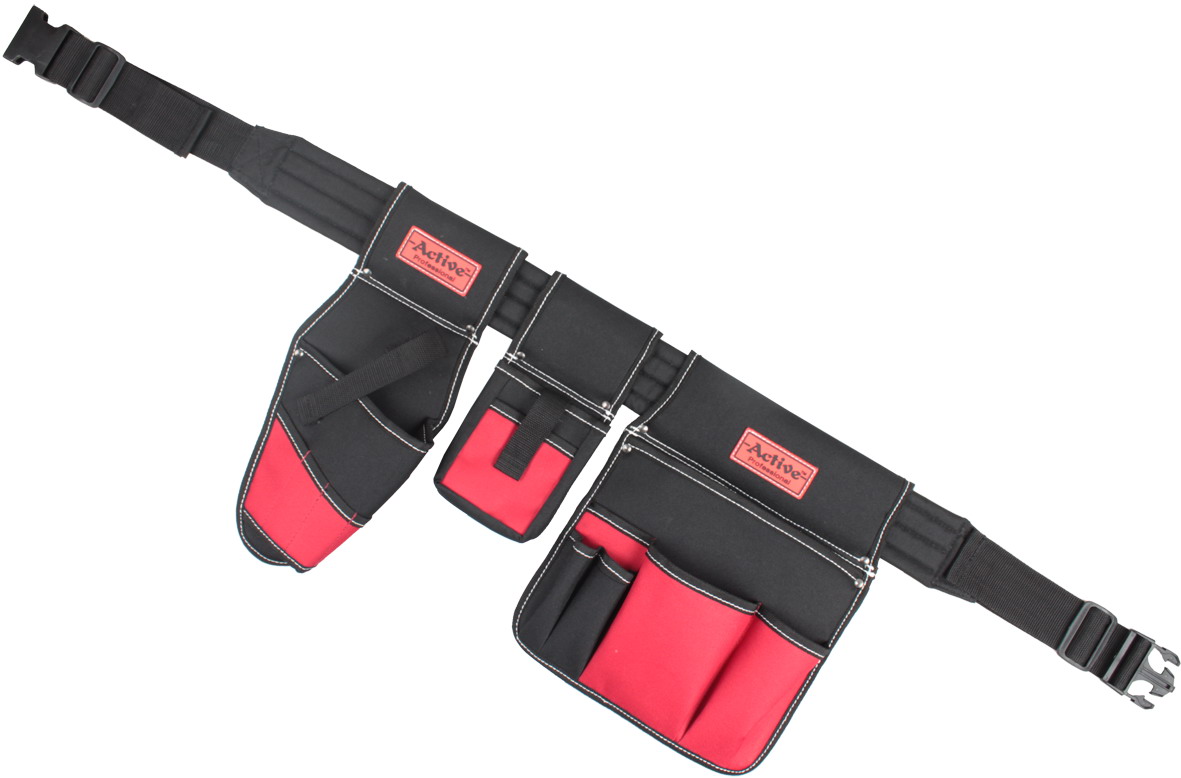
A Tool Belt works best when it matches the day’s scope. Start by naming the top five actions you will repeat. Then choose tools that support those actions, and skip the rest. For trim work, you need light hand tools and small fasteners. For framing, you need heavier layout tools and a striking tool. Carrying “just in case” tools adds weight quickly. It also slows you down when you dig through pouches. They can also swing into ladders, rails, or finished walls. A lean loadout is also easier to teach new workers. It gives them a clear default setup they can copy.
Every person has a different comfort limit. Still, many workers feel strain once the load stays heavy for hours. If you feel hip pinch, it is time to change something. Start by removing duplicate tools and bulky extras. Keep only one tape, one driver, and one main cutter. Next, stage heavy tools in a tote or cart near the work area. If the job needs more carry, add suspenders to share load. They reduce pressure on the hips and lower back. You can also plan micro-breaks on ladder-heavy tasks. Even a short unload can reduce fatigue a lot.
Modular setups let you change the Tool Belt for each phase. You can detach a pouch for ladder work, then reattach on the ground. You can move fasteners closer during repetitive fastening, then move them back. It helps you stay lighter in tight spaces, too. For crew leaders, modular layouts also improve consistency. They can define a “base kit” plus add-ons for each task. For B2B buyers, that means fewer SKU headaches. It also helps you build bundles for different trades. Here is a simple rule we use: keep daily carry small, then add one pouch per special task.
Work type | Core items to carry | Items to stage off-belt |
Electrical service calls | tester, drivers, tape, small fasteners | drill, spare batteries, conduit tools |
Framing and decking | hammer, square, knife, nails, tape | impact driver, saw blades, nail boxes |
Interior finish | pencil, knife, small pry, bits, screws | nail gun, caulk, long levels |
Maintenance rounds | multi-tool, flashlight, marker, zip ties | spare parts kit, bulk hardware |
Tip: For bulk orders, pack “core” and “add-on” pouches separately. It helps teams build the right kit faster.
Your dominant hand should do the least searching. Put your hammer, knife, and main driver on that side. Use a loop or holster that fits each tool shape. If the loop is loose, the tool will swing and hit your leg. If it is too tight, you will waste time pulling it free. Add one “quick-drop” pocket for temporary tool holds. It helps when you change positions or climb steps. Test reach while wearing gloves and a vest, since they change movement. If it feels awkward, shift one item and test again. Small changes make a big difference over a long shift.
Your other hand often feeds parts and fasteners. Put screws, nails, anchors, or wire nuts on that side. Add a pencil slot and marker loop near the top edge. This supports a clean two-hand rhythm during work. One hand grabs tools, and the other hand feeds materials. It reduces cross-body reaching, which can strain shoulders. It also helps prevent spills when you bend or twist. If you work in tight spaces, use a closed pocket for small parts. It keeps items from bouncing out when you crawl or climb. If you buy for a crew, standardize this “fastener side” rule. It speeds up training and reduces confusion.
A Tool Belt will rotate toward the heavier side. That rotation creates friction and uneven pressure on one hip. Fix it by pairing heavy items across the belt. For example, pair a hammer loop opposite a tape measure. Keep bulky pouches closer to the side seams, not the front. Avoid putting hard items at the center back for long walks. A lump there can change posture and cause soreness. A quick balance check is simple: stand still and relax. If the belt turns on its own, it is unbalanced. Move one item and test again until it stays centered.
Note: For product listings, show pocket count and load rating in one line. Buyers scan for these details fast.
Side placement works well for walking and reaching. It also keeps the front clear for kneeling and climbing. Place one main pouch near each hip bone, then angle it slightly. This layout fits many trades, including electrical and general carpentry. It also works in narrow aisles and scaffold decks. If you bump doors or rails often, choose slimmer side pouches. They reduce snag risk and help you move smoothly. For new users, side carry is also easiest to learn. It gives a simple “left pouch, right pouch” mental map. If a pouch hits your thigh while walking, move it back slightly.
Front pouches can block your thighs on ladders. For ladder-heavy work, shift bulky pouches toward the rear-side zone. Keep the center back mostly clear for comfort and safety. A hard tool at the spine area can press during bending. Use the rear area for flatter, low-use items like gloves or spare bits. Before climbing, check for loose straps and snag points. Also confirm sharp tools sit in sleeves, not open pockets. This reduces drops and cuts, and it protects ladder rails. If you work in a crew, teach a “ladder setup” routine. They can do it in under a minute.
Front carry can work well at a bench or table. It keeps tools visible and reduces side bumps. It can also help protect finished walls during interior work. Keep weight light in the front position, though. Heavy tools up front can pull the belt into the stomach area. Keep the buckle zone clear, so it does not dig. For cabinetry and paint work, softer pouch fronts help reduce scuffs. If you move to stairs or ladders, switch back to side carry. It keeps motion safer and feels more stable.
Bag position | Best for | Watch-outs |
Sides | general site work and walking | balance matters, or the belt will rotate |
Rear-sides | ladders, scaffolds, frequent bending | avoid hard items at the center back |
Front/apron | bench work and delicate interiors | keep weight light for comfort |
Suspenders help when the Tool Belt feels heavy for long periods. They also help when you climb ladders often or work long shifts. If your hips go numb, they can reduce pressure. They may not help for short tasks or very light loads. They also add straps that can snag in tight spaces. So we use them when weight and time demand more support. Many crews keep one set on site for rotation. It helps different body types share the same belt system. For B2B buyers, suspenders also work as a simple upsell add-on. They improve comfort, which improves repeat orders.
Start by wearing the Tool Belt on your hips as usual. Load it in your normal way, then check balance first. Clip two suspender hooks at the front, spaced evenly. Clip two hooks at the back, also spaced evenly. Place clips near reinforced webbing or strong belt sections. Stand tall, then adjust strap length in small steps. It should feel supportive, not restrictive. If one side pulls, re-space the clips and test again. Then bend, twist, and climb one step to confirm stability. Check clip points weekly for seam wear. If you see loose stitching, stop using it until repaired.
Set the straps so the belt feels lighter, not floating. Your hips should still carry part of the load. If it hangs too low, it will swing and slap your legs. If straps are too tight, shoulders can burn quickly. Many sets include a chest strap, and it helps a lot. It keeps straps from sliding outward during work. After ten minutes, do a small re-adjust as needed. That final tweak often stops bounce for the day. If straps rub your neck, add a soft shoulder pad. Comfort keeps people wearing the Tool Belt correctly.
Tip: If you include suspenders in kits, add a simple strap diagram. It reduces setup errors for new users.
Wear your Tool Belt on the hips, then set snug tension for steady movement. Carry only today’s tools, and balance weight left and right for comfort. Place pouches for your hands, and shift them for ladders or bench work.
For consistent results at scale, Kunyu Tool Bags ( Cambodia ) Co., Ltd. offers durable Tool Belt systems. They use 600D fabric, secure hammer loops, and modular pockets for electricians and builders. OEM/ODM service, strong capacity, and inspection support help buyers ship smoothly and cut returns.
A: A Tool Belt keeps tools close, so you move less and work faster.
A: Your Tool Belt should sit snug on your hips, but still let you bend and breathe.
A: Wear the Tool Belt on your hip bones and balance weight on both sides.
A: Use a Tool Belt for frequent grabs, and a tool bag for heavier backup tools.
A: Add suspenders when your Tool Belt feels heavy or causes hip pressure all day.


