
Address
Phum Boeng Thum Ti Pir, Sangkat Boeng Thum, Khan Porsenchey, Phnom Penh, Cambodia. 120907
Call Us
+86-13806227077


Views: 147 Author: Site Editor Publish Time: 2026-03-10 Origin: Site


A heavy Tool Belt can feel fine at 8 a.m., then hurt by lunch. It can pull your posture forward and drain your energy fast.
In this guide, you’ll learn the top health benefits of a light weight Tool Belt and why it matters on real jobsites. We’ll also share simple setup and buying tips, so you stay comfortable, mobile, and steady all day.
A light weight Tool Belt is not about looking minimal. It is about lowering strain during repeated motion. It also supports safer movement patterns on site.
Health benefit | What you feel day to day | Why a light weight Tool Belt helps |
Less lower-back strain | Fewer “tight back” moments | Less load and less leverage |
Better posture | Less leaning or hunching | Balanced weight supports neutral alignment |
Lower fatigue | More energy late in shift | Less constant effort and fewer resets |
Better mobility | Easier bending and climbing | Less bulk and less bounce |
Safer load control | Fewer drops and slips | Stable belt reduces drift and sudden shifts |
A light weight Tool Belt reduces the load your body must manage. Less load means less pressure on hip bones. It also means fewer “pull-down” moments during walking. Many pain triggers come from sagging and overloading. They push you to brace your core all day. That bracing can irritate the lower back over time.
It also helps your hips stay comfortable during long wear. Heavy pouches dig into one spot and create hot spots. A lighter rig spreads pressure more evenly. It also makes it easier to keep the belt on the hips. That position often feels better than high-waist carry. When the belt sits right, your back does less work.
Posture changes when your belt pulls you forward. Heavy front pouches create a “front drag” feeling. Your body often reacts by leaning back or hunching forward. Both patterns stress the spine during repeated tasks. A light weight Tool Belt reduces that urge to compensate.
Balance also improves when the belt stays lighter. A stable belt helps keep hips level during movement. It supports a neutral spine during bending and reaching. You also spend less time adjusting the belt mid-task. Those small adjustments often happen in awkward positions. Fewer adjustments means fewer awkward twists. Over a full day, that adds up.
Carrying weight all day costs energy, even if you feel “used to it.” A light weight Tool Belt lowers that constant cost. It also reduces bounce and belt drift. When your belt stays stable, you keep a steady pace. You waste fewer seconds re-centering pouches.
Energy savings show up late in the day. That is when mistakes and slips increase. A lighter setup helps you stay sharp during the last hour. It also helps you keep form during repetitive tasks. Better form usually means less strain. In team settings, it can mean fewer slowdowns after lunch.
Mobility is not only about weight. Bulk can limit motion even at moderate weight. Deep pouches can hit thighs during ladder work. Large bags can snag in tight mechanical spaces. A light weight Tool Belt often uses slimmer profiles. That helps you bend and climb more freely.
It also supports cleaner movement patterns. You can kneel without a pouch tipping forward hard. You can step through narrow areas without constant bumping. You can twist less to reach tools, since pouches sit closer. Better mobility often feels safer, too. It reduces the “fight” between your body and your gear.
A light weight Tool Belt is easier to balance left and right. Balanced loads reduce belt rotation and sliding. That stability can reduce sudden shifts in weight. Sudden shifts can throw off footing on ladders. They can also cause tools to swing into legs. A lighter rig is easier to control.
Safer load control also reduces tool drops. Drops happen when pouches sag or tip. They also happen when belts rotate during movement. A light weight Tool Belt stays closer to the hips. That reduces leverage and sway. If you use suspenders, lighter loads work even better. They support comfort without pulling too hard on shoulders.
Tip: For B2B crews, set a “daily carry limit” and stage the rest nearby.
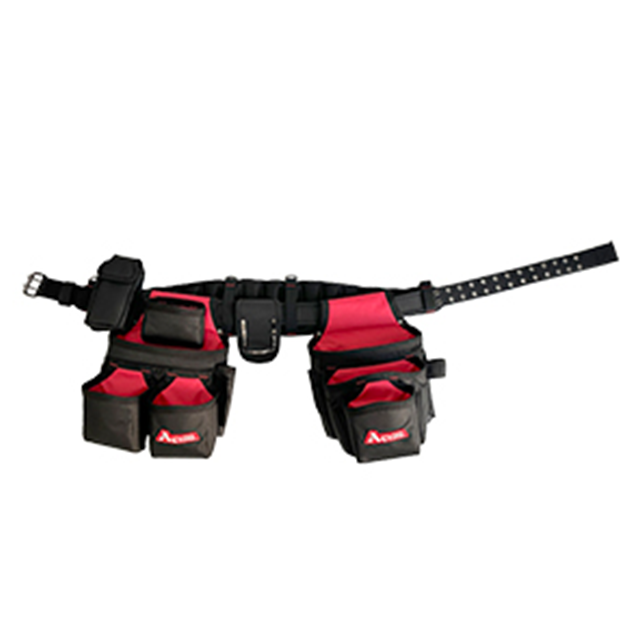
Light weight is not a trend. It is a practical response to leverage and repetition. When you wear a Tool Belt, your body becomes the frame.
Weight feels heavier when it sits farther from your body. A long tool in a deep pouch increases leverage. That leverage creates pull-down force on the belt. It also increases rotation during walking. Even a small weight can feel heavy when it swings.
Place weight close to the hips and it feels calmer. That is why slim pouches can feel better. It is also why front-heavy setups often slide down. Your body keeps correcting, and that wastes energy. A light weight Tool Belt reduces leverage by reducing total load. It also makes close-to-hip placement easier to maintain.
Your hips have bony points and soft tissue areas. A belt that concentrates pressure will hurt faster. Narrow belts often create strong pressure lines. Overly soft padding can also create pressure points later. It compresses and “bottoms out” during long wear.
A light weight Tool Belt spreads support more evenly. It needs less “cinching” to stay stable. Less cinching often means less pressure on soft tissue. A wider belt can help distribute force. Proper stiffness also matters. It should resist folding, yet still flex when you move. When support is distributed, discomfort drops.
Workflow suffers when gear distracts you. Sliding belts break focus in the worst moments. Heavy belts also encourage rushed movements. People try to “get it over with” to escape discomfort. That can increase risk during lifting and climbing.
A lighter Tool Belt supports consistent habits. You grab tools the same way every time. You keep your hands working instead of re-adjusting. You also tend to keep a cleaner loadout. That means fewer awkward reaches and twists. Consistent motion supports safer body mechanics.
Note: This is general ergonomic guidance, not medical advice.
Light weight should not mean fragile. The right specs keep it light and tough. You want a Tool Belt that survives daily abrasion.
Start with material choice, but do not stop there. Some fabrics stay light and resist abrasion well. They also dry faster after sweat or rain. Leather can last long, but it adds weight quickly. Hybrid designs can balance structure and weight.
Look at high-wear zones when comparing materials. Pocket corners take constant friction from tools. Belt edges rub against clothing and hips. If those areas are reinforced, the belt lasts longer. If they are weak, it fails early. Light weight only matters if it stays reliable.
Design can remove weight without reducing usefulness. Slimmer pouches reduce bulk and drag. Tool-specific sleeves improve access and reduce clutter. You carry fewer duplicates because storage feels organized. Modular add-ons also help you carry only what you need.
A good layout keeps heavy items near the hips. It also keeps the front area cleaner for bending. Depth matters more than you think. Deep pouches can “swing” tools outward. Shallow, structured pockets can feel more stable. Less swing means less perceived weight.
Light rigs must have strong stitching and hardware. Look for reinforced seams at stress points. Bar-tacks at pocket corners help a lot. Buckles should hold tension under motion. Clips should lock without rattling.
Fit range also affects durability. If you over-tighten due to poor sizing, you stress hardware. If you under-tighten, pouches sag and tug seams. A well-sized Tool Belt reduces both problems. It stays stable at comfortable tension. That helps it last longer under daily use.
What to check | What “good” looks like | Why it matters for health |
Pouch profile | Slim, close-to-hip storage | Less leverage and less swing |
Reinforcement zones | Strong corners and belt edges | Fewer failures and fewer sudden drops |
Hardware | Buckle holds tension under motion | Less sliding and fewer readjustments |
Weight feel | Stable when loaded lightly | Less fatigue and better posture |
Modularity | Add-ons instead of carrying everything | Lower daily load and better mobility |
Tip: For procurement, request samples and run a loaded stair-walk test.
A light weight Tool Belt still needs smart setup. Poor setup can ruin even a great product. Use simple rules that crews can repeat.
Wear the Tool Belt on your hips, not your waistline. Hip carry creates a natural shelf for stability. Set tension snug, not painful. You should breathe deep and bend freely.
Use a quick movement test after setup. Squat once and stand once. Twist left and right and check drift. Step up one rung and check thigh clearance. If it rides up, lower it slightly. If it slides down, tighten one notch or reduce load. Small adjustments beat aggressive tightening.
Balance makes any Tool Belt feel lighter. Keep heavy tools near the hip bones. Split fasteners across both sides when they are dense. Avoid one huge fastener pocket on one side.
Use these simple balance rules:
● Keep the front area clear for bending.
● Place hammer and tape near the sides.
● Keep sharp tools in sleeves, not open pockets.
● Refill fasteners more often, not all at once.
When the belt stays centered, your body stays centered. That supports posture and reduces fatigue. It also reduces rubbing on one hip. Balance is a health feature, not just a convenience.
Suspenders help when loads stay heavy for hours. They can reduce hip hot spots and belt sag. They also improve stability during ladder work. Still, they should not pull the belt off the hips. Your hips should carry most of the load.
Adjust straps so they feel supportive, not lifting hard. Use four attachment points when possible. Add a chest strap if straps slide outward. Keep pouches balanced even after adding suspenders. Suspenders help most when the belt is already balanced. They are not a shortcut for overloading.
Note: For team safety, train workers to adjust straps before climbing ladders.
Health benefits must survive real work conditions. That requires simple standards, trials, and supplier clarity. If you manage teams, focus on repeatable systems.
A core kit prevents overloading. It also speeds up training for new hires. Pick the tools workers use most often. Keep the list short and clear. Then stage extra tools in a cart or tote.
Standardization also improves safety culture. Workers learn where each tool should sit. They reach less and twist less. They also spend less time “shopping” in pockets. A light weight Tool Belt works best when the loadout stays light. Standard kits protect that benefit across the crew.
Do not guess comfort from a product photo. Run a short wear trial and collect feedback. Start with a two-hour test block. Include walking, kneeling, and ladder steps. Ask about hot spots, sliding, and access.
Then rotate the same Tool Belt across body types. Small frames and broad builds experience belts differently. Rotation shows what works for most users. It also shows who benefits from suspenders. Use feedback to adjust the core kit and pouch layout. Trials make adoption smoother and reduce returns.
B2B buyers should ask for proof and clarity. Ask for material specs and reinforcement details. Ask what hardware is used and how it is tested. Ask about QC checks for stitching and buckle function.
Also ask about consistency and lead times. Crew programs need stable supply. Warranty terms should be clear and practical. Ask how claims are handled for seams and hardware. Good answers protect your investment and your crew experience. Clear supplier support helps you keep standards consistent.
B2B step | What to do | Outcome you can measure |
Define core kit | Limit daily carry by trade | Fewer fatigue complaints |
Run wear trials | Two-hour tests across body types | Higher adoption rates |
Train setup | Hip carry, balance, and tension rules | Less sliding and fewer resets |
Decide suspenders policy | Use only for heavy loads | Better comfort on long shifts |
Lock supplier specs | Reinforcement, hardware, QC | Lower return and repair rates |
Tip: Build a simple training card and include it in every carton.
A light weight Tool Belt can protect your body in simple ways. It can reduce hip and lower-back strain, support better posture, lower fatigue, improve mobility, and keep loads safer and more stable.
For teams who want those gains every day, Kunyu Tool Bags ( Cambodia ) Co., Ltd. offers durable Tool Belt options built for jobsite use. Their 600D fabric, reinforced stitching, and modular pouch choices help crews carry less, move better, and source smoothly through OEM/ODM support.
A: A light weight Tool Belt carries core tools in a slimmer setup, so it feels stable and less tiring.
A: A light weight Tool Belt reduces pull-down force and helps you keep a more neutral posture.
A: Wear the Tool Belt on your hips, set snug tension, and balance tools left and right.
A: A light weight Tool Belt often works without suspenders, but add them for heavy fasteners or long shifts.
A: A light weight Tool Belt can stay durable if it has reinforced corners, strong stitching, and reliable hardware.


