
Address
Phum Boeng Thum Ti Pir, Sangkat Boeng Thum, Khan Porsenchey, Phnom Penh, Cambodia. 120907
Call Us
+86-13806227077


Views: 138 Author: Site Editor Publish Time: 2026-03-13 Origin: Site


The “best” Tool Belt for an electrician is not one single rig. The wrong setup can slide, spill parts, and slow your hands all day.
In this guide on what is the best tool belt for an electrician, you’ll learn what to look for: tool-ready pockets, stable hardware, comfort and balance, plus ladder-friendly setup tips. You’ll also see a simple trial plan for team buying.
Start by naming your most common job type and pace. Residential service often needs fast access and lighter carry. Commercial buildouts often need more consumables and repeat tasks. Industrial work often needs tougher materials and secure pockets.
Your work type also changes your movement patterns on site. Service work includes stairs, tight rooms, and frequent kneeling. Buildouts include ladders, lifts, and long walking paths. The best Tool Belt matches those movements instead of fighting them. When the match is right, you adjust it less during the day.
A Tool Belt feels “best” when storage matches real hand tools. Most electricians carry cutters, strippers, and a main driver daily. They also carry a tester, tape, and a marker most days. Consumables matter too, since they refill often and shift weight.
Map tools into three groups: every-minute, every-hour, and occasional. Every-minute tools need fixed, easy-to-hit slots. Every-hour items can sit in deeper pockets without slowing you. Occasional tools should be staged off-belt when possible. This map keeps the Tool Belt light and organized.
Comfort decides whether people keep using a Tool Belt correctly. A wider belt often spreads pressure across the hips better. Stable padding should feel firm, not overly soft or bulky. If padding collapses, pressure points often appear after lunch.
Weight distribution matters as much as padding and width. Heavy tools should sit near the hip bones, not far forward. Fasteners should split across both sides when loads grow dense. Balanced load reduces belt drift and reduces awkward twisting. That is why comfort and balance should lead your decision.
Material choice should follow your work environment and cleaning needs. Leather can hold shape and last long under abrasion. Nylon or heavy polyester can feel lighter and dry faster after sweat. For hot climates, faster drying often improves comfort and reduces odor.
Consider what the material touches during your day. Rough surfaces, sharp corners, and concrete edges eat weak fabric fast. Look for reinforced corners and bound edges in high wear zones. Also check if the material stays flexible during cold months. The best Tool Belt stays predictable across seasons.
Work type | Best carry focus | Pocket priority | Common stability add-on |
Residential service | Light, fast movement | Tester slot, driver sleeves, small parts | Inner belt or keepers |
Commercial buildout | Consumables and repeat tasks | Fastener pockets, tape, multi-driver | Optional suspenders |
Industrial and plant | Abrasion and secure storage | Closed pockets, durable corners, tough belt | Suspenders and firm belt |
Note: For B2B buying, standardize one load map per work type.
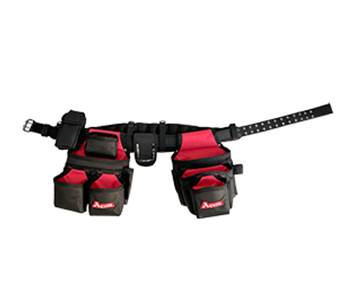
Leather rigs are common on crews that value long-term durability. They often hold shape well and keep pockets open for quick grabs. That structure can feel efficient during repeat tasks like rough-in work. Many electricians also like leather for its familiar feel.
Leather can also feel heavier, especially when pouches are large. If a heavy rig slides, people over-tighten it and feel sore. A wider belt or suspenders can help when loads are dense. If you choose leather, keep the loadout lean and balanced. It helps leather rigs feel stable instead of bulky.
Modular Tool Belt systems fit electricians who change tasks often. You can clip on pouches for a rough day, then clip them off later. This approach supports service work and mixed job lists. It also helps you carry only what you need for the next hour.
Modular systems can reduce fatigue because your daily carry stays smaller. They also improve organization because each pouch has a job. If your crew shares best practices, modular layouts are easy to teach. One base kit can work for many electricians. Then each person adds trade-specific pouches as needed.
Ergonomic setups focus on comfort and support across long shifts. They often use wider belts and stable padding for load spread. That can help electricians who wear a Tool Belt all day. It can also help people who climb ladders often.
Padding should stay firm under load, or it becomes a problem later. Overly soft padding can compress and create hot spots. Look for belts that resist rolling at the edge. Rolling edges often cause slipping and uneven pressure. Ergonomic designs work best when they stay stable and balanced.
Style | Best for electricians who | Main advantage | Main trade-off |
Traditional leather rig | Want structure and long life | Strong shape and easy access | Heavier feel under dense loads |
Modular lightweight system | Switch tasks and move often | Carry less and customize faster | Needs smart pouch planning |
Padded ergonomic setup | Wear belts for long shifts | Better pressure spread and comfort | Bulkier belt profile sometimes |
Tip: For team pilots, test one style per job type first.
Electricians need pockets shaped for long, narrow tools and small parts. Driver sleeves should hold a main driver and backups securely. Pliers pockets should keep cutters upright and easy to draw. A tester slot should protect the tool and prevent accidental drops.
Small parts storage is also a daily need for many electricians. Wire nuts, connectors, and bits need secure pockets that resist spills. If pockets collapse, tools snag and slow you down. If pockets are too open, small parts fall during kneeling. The best Tool Belt uses a mix of sleeves, open pockets, and secured pockets.
Speed matters, but spills cost more time than you expect. Open pockets work well for tools you grab every minute. They keep workflow smooth during repetitive tasks. Secure pockets work better for small parts that bounce and roll.
Think about your most common “spill moments” during a shift. Ladders, kneeling, and tight space work increase spill risk. A good Tool Belt keeps fasteners deeper and closer to the hips. It also keeps sharp tools in sleeves for safer draws. When access feels smooth and secure, you work faster and safer.
Stable hardware keeps your Tool Belt from drifting and sagging. Buckles should hold tension during bending and climbing. Pouch attachments should stay close to the belt and avoid swinging. Reinforced corners help pouches resist tearing at stress points.
Check how a loaded belt behaves during movement. If pouches sway, they create leverage and pull-down force. If hardware creeps, the belt slides lower over time. The best Tool Belt uses reliable buckles and strong stitching patterns. It stays consistent from hour one to hour eight.
Your dominant hand should do the least searching on site. Place your most-used tools on that side for quick access. Drivers, strippers, and a tester often fit this category. Your other hand often feeds parts, so place consumables there.
This logic reduces cross-body reaching during repeated tasks. It also supports a steady two-hand rhythm during installs. When the pattern is consistent, you build muscle memory fast. That can reduce wasted motions and awkward twists. Over time, it can reduce strain and improve pace.
Balance keeps the belt centered, which keeps your posture steadier. Heavy tools should sit near the hip bones, not far forward. Dense fasteners should split left and right to reduce rotation. Avoid a large front pouch that pulls your torso forward.
Use simple balance rules that crews can share:
● Keep heavy items near the side seams for stability.
● Keep the front area cleaner for bending and climbing.
● Refill fasteners more often, rather than carrying a full box.
● Stage bulky spares in a tote near the work zone.
When balance improves, the Tool Belt slides less during walking. It also reduces rubbing on one hip during long shifts. Better balance often feels like a lighter belt, even at similar weight.
Ladder work changes how a Tool Belt feels and moves. Front pouches can hit thighs and push the belt upward. After that, gravity pulls it down and it slides again. Move bulky pouches toward the rear-sides on ladder days. Keep the center back mostly clear for comfort.
Tight spaces need a slimmer profile and fewer snag points. Clip off extra pouches before entering a crowded area. Keep only the tools you need for the next steps. This reduces snags on conduit, panels, and studs. It also improves safety when you need stable footing.
Note: A short “ladder setup” routine can reduce drops and slips.
The cheapest Tool Belt is not always the least expensive option. A belt that fails early causes downtime and replacement costs. A belt that hurts gets ignored, and unused gear wastes budget. Value comes from durability, comfort, and steady daily use.
Compare cost against wear time and replacement frequency. Ask how the belt handles stress at corners and buckle zones. Consider whether pouches can be replaced instead of replacing the whole rig. For electricians, long wear time makes comfort more valuable. When comfort is better, adoption stays higher.
Bulk buying needs proof, not marketing language. Ask for clear material specs and reinforcement details. Ask what hardware is used and how it is tested. Ask for QC steps that check seams and buckles before shipping.
Also ask about sizing range and fit guidance for crews. A belt that fits only a narrow range creates complaints and returns. Ask about lead time stability across seasons. Ask how warranty claims work for stitching and hardware issues. Clear answers reduce risk and improve consistency for large orders.
Returns often happen because belts feel fine at first touch. They fail during real movement and real loading. A short, structured trial reduces that risk quickly. Load each belt using one standardized electrician loadout. Then test it during walking, kneeling, and one ladder step.
Collect feedback on hot spots, access speed, and pouch stability. Repeat the test across different body types on your crew. Include one worker who sweats heavily and one who works ladders often. Use the results to choose one standard setup and optional add-ons. This approach usually improves adoption and reduces returns.
Trial question | What it reveals | Simple pass rule |
Does it slide during walking? | Fit and friction problems | Stays at hip height for ten minutes |
Do pouches spill during kneeling? | Pocket design mismatch | No parts drop during two kneel cycles |
Do thighs hit pouches on ladders? | Poor pouch placement | Clear thigh space on one step |
Does hardware creep under motion? | Buckle or strap weakness | Strap mark stays in place |
Do users feel hot spots quickly? | Padding and balance issues | No sharp pain after one hour |
Tip: For B2B rollouts, ship a “core kit” and optional add-ons separately.
The best electrician Tool Belt matches your daily tools and work type. It stays comfortable through balanced loads, stable padding, and reliable hardware. It also keeps small parts secure on ladders and in tight spaces.
For consistent results at scale, Kunyu Tool Bags ( Cambodia ) Co., Ltd. offers durable Tool Belt options for electrician workflows. Their 600D fabric, reinforced stitching, and modular pouch layouts help crews stay organized, reduce sag, and support smoother OEM/ODM sourcing.
A: The best Tool Belt fits your daily tools, stays balanced, and keeps small parts secure on ladders.
A: A Tool Belt speeds frequent grabs, while a backpack stages heavier tools and refills nearby.
A: A Tool Belt should include driver sleeves, pliers slots, a tester spot, and deep pockets for wire nuts.
A: A Tool Belt twists from uneven loads; move heavy tools near hips and split fasteners left and right.
A: Suspenders help a Tool Belt on long shifts or heavy fastener days, but balance still matters most.


