
Address
Phum Boeng Thum Ti Pir, Sangkat Boeng Thum, Khan Porsenchey, Phnom Penh, Cambodia. 120907
Call Us
+86-13806227077


Views: 0 Author: Site Editor Publish Time: 2025-11-17 Origin: Site


Ever wondered why some professionals choose a tool bag while others prefer a tool pouch? Understanding these differences is crucial for selecting the right storage solution. In this post, you'll learn what tool bags and pouches are and why knowing their distinctions can enhance your work efficiency and comfort.
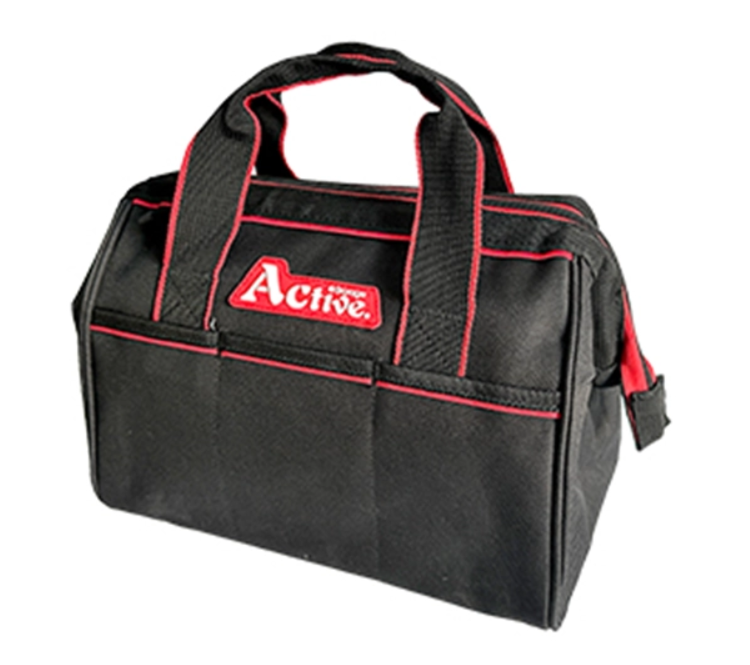
A tool bag is a specially designed container used to store and carry tools. It offers a practical way to keep various tools organized and accessible, especially when moving between job sites or working in different locations. Tool bags typically come in various sizes, from small handheld versions to large, heavy-duty bags that can hold a wide range of tools.
Common Uses and Features
Tool bags serve multiple purposes. They help transport tools safely, protect them from damage, and organize them efficiently. Many tool bags have multiple compartments, pockets, and dividers, making it easier to separate different types of tools and accessories. This organization saves time by reducing the effort needed to find the right tool quickly.
Features often include:
Sturdy handles or shoulder straps for easy carrying
Reinforced bottoms to prevent wear and tear
Multiple pockets for small items like screws or drill bits
Zipper or flap closures to secure tools inside
Some tool bags even have waterproof or weather-resistant materials to protect tools from moisture
Materials Used in Tool Bags
Tool bags are made from durable materials designed to withstand rough use. Common materials include:
Canvas: Tough and abrasion-resistant, often treated for water resistance
Nylon: Lightweight, strong, and resistant to tears and abrasions
Leather: Offers durability and a classic look, though it can be heavier and requires maintenance
Polyester: Affordable and resistant to wear, often used in budget-friendly options
Each material has its benefits depending on the user’s needs. For example, nylon and polyester are great for lightweight, weather-resistant bags, while leather suits those looking for durability and style.
A tool pouch is a compact, portable container designed to hold a select number of tools. Unlike tool bags, pouches are smaller and often attach directly to a belt or waistband. They provide quick access to essential tools, making them ideal for tasks requiring mobility and convenience.
Common Uses and Features
Tool pouches are popular among electricians, carpenters, and maintenance workers who need to keep a few tools close at hand. They are perfect for jobs that require frequent movement or when carrying a large tool bag would be cumbersome.
Key features of tool pouches include:
Multiple small compartments or pockets for organizing hand tools like screwdrivers, pliers, and measuring tapes
Belt loops or clips for easy attachment to a work belt or waistband
Lightweight design to reduce fatigue during extended wear
Secure closures such as flaps or zippers to keep tools in place
Reinforced edges or rivets to enhance durability
Because they are worn on the body, tool pouches offer excellent accessibility and keep tools within arm’s reach, improving work speed and efficiency.
Materials Used in Tool Pouches
Tool pouches are crafted from materials that balance durability and comfort. Common materials include:
Leather: Durable and resistant to wear, leather pouches offer longevity and a traditional look. They mold to the wearer’s body over time for added comfort.
Nylon: Lightweight and tear-resistant, nylon is ideal for those who prioritize mobility and weather resistance.
Canvas: Strong and abrasion-resistant, canvas pouches often have water-resistant treatments to protect tools.
Each material suits different work environments and preferences. For example, leather suits heavy-duty use, while nylon works well in wet or rough conditions.
Tip: Choose a tool pouch material based on your work environment—go for leather in dry, heavy-use settings and nylon or canvas for wet, rugged jobs to maximize durability and comfort.
When deciding between a tool bag and a tool pouch, understanding their key differences helps you pick the best option for your work style and job needs.
Tool bags tend to be larger and offer more storage space. They can hold a wide range of tools, from hand tools to power tools and accessories. This makes them ideal for jobs requiring many tools or bulky items. The multiple compartments and pockets help keep everything organized and easy to find.
On the other hand, tool pouches are compact and designed to carry only essential tools. They usually have fewer pockets and less overall capacity. This smaller size suits tasks that need only a few tools close at hand, reducing bulk and weight.
Tool pouches excel in portability. They attach directly to your belt or waistband, keeping tools within arm’s reach. This setup allows quick access and frees up your hands for work. The lightweight design also reduces fatigue during long hours on the job.
Tool bags, while portable, are bulkier and often carried by hand or shoulder strap. They are less convenient for constant movement but better for transporting a large tool collection between locations.
Tool bags offer flexibility for various job types. Their larger size and multiple compartments accommodate diverse tools, making them suitable for complex projects or mobile professionals who need many tools at once.
Tool pouches fit jobs requiring agility and speed. Electricians, carpenters, and maintenance workers often prefer pouches because they allow easy movement without getting in the way. Pouches also minimize weight, which is crucial when working on ladders or in tight spaces.
When selecting between a tool bag and a tool pouch, several factors come into play. Your choice should align with your work style, the nature of your tasks, and personal comfort.
Tool Quantity and Size: Assess how many tools you need daily. If you carry many or bulky tools, a tool bag offers the space and compartments needed. For just a few essentials, a tool pouch suffices.
Mobility Needs: Jobs demanding frequent movement or working in tight spaces benefit from the lightweight, hands-free convenience of a tool pouch. If you often transport tools between sites, a tool bag’s larger capacity is advantageous.
Work Environment: Consider conditions like weather and terrain. Tool bags made from weather-resistant materials can protect your tools better outdoors. Pouches, being smaller, might be easier to keep clean and dry in confined or indoor settings.
Comfort and Fit: Tool pouches attach to your belt, distributing weight around your waist, which can be more comfortable for extended wear. Tool bags might require carrying by hand or shoulder, which could cause fatigue over time.
Organization Needs: If you need to organize various tools and accessories, tool bags often provide multiple compartments and pockets. Pouches offer fewer compartments but keep essential tools within quick reach.
Your preferences influence comfort and efficiency. Some professionals prefer the convenience of a pouch for quick tasks, while others rely on the extensive storage of a bag for complex jobs. Job requirements might dictate the choice: electricians working on wiring often choose pouches for mobility, whereas contractors handling larger projects prefer bags.
| Aspect | Tool Bag | Tool Pouch |
|---|---|---|
| Size & Capacity | Large, holds many tools | Small, holds essentials only |
| Portability | Carried by hand or shoulder | Worn on belt, hands-free |
| Organization | Multiple compartments and pockets | Limited compartments |
| Comfort | Can be heavier and bulkier | Lightweight, ergonomic |
| Best For | Transporting and storing many tools | Quick access to a few tools |
| Work Environment Suitability | Outdoor, varied environments | Tight spaces, mobile tasks |
Tool bags offer several advantages that make them an essential choice for many professionals and DIY enthusiasts alike. Their design and features contribute to improved organization, protection, and efficiency on the job.
One of the biggest benefits of a tool bag is how it helps keep tools organized. Most tool bags come with multiple compartments, pockets, and dividers. This setup allows you to separate different types of tools and accessories, making it easier to find what you need quickly. Instead of digging through a jumbled pile, you can grab the right tool right away. This level of organization not only saves time but also reduces frustration during busy workdays.
Tool bags provide excellent protection for your tools. They are often made from durable materials that shield tools from scratches, dents, and environmental factors like moisture or dust. Reinforced bottoms and padded interiors add extra protection, especially for delicate or power tools. By keeping tools safe, a tool bag helps extend their lifespan, saving money on replacements and repairs.
Carrying tools in a well-organized, protective bag improves your overall job site efficiency. When tools are easy to access and well-protected, you spend less time searching or fixing damaged equipment. Many tool bags come with sturdy handles or shoulder straps, making transport easier between locations. This convenience means you can focus more on your work and less on managing your tools.
Tool pouches offer a range of benefits that make them a popular choice for many professionals and hobbyists. Their compact design and ease of use provide distinct advantages, especially for tasks requiring mobility and quick access to a few essential tools.
One of the biggest benefits of tool pouches is their lightweight nature. Unlike bulky tool bags, pouches are small and designed to carry only the necessary tools. This makes them easy to wear all day without causing fatigue. Since they attach directly to your belt or waistband, they keep your hands free and tools within easy reach. This convenience is especially helpful when you need to move around a lot or work in tight spaces.
Tool pouches are ideal for jobs that require only a handful of tools. Electricians, carpenters, and maintenance workers often prefer pouches because they can carry screwdrivers, pliers, tape measures, and other frequently used hand tools without the bulk of a full tool bag. For smaller repair jobs or quick tasks, a tool pouch provides just enough space without the hassle of carrying a larger bag.
Because tool pouches are worn on the body, they offer excellent mobility. You can bend, climb ladders, or crawl into tight spots without the pouch getting in the way. The ergonomic design distributes the weight evenly around your waist, reducing strain on your back and shoulders. Many pouches also have adjustable belts or clips to ensure a comfortable, secure fit. This comfort helps maintain productivity throughout the workday.
Tool bags and tool pouches each serve unique purposes, with bags offering more capacity and pouches providing mobility. Choosing the right storage depends on your specific tool needs and work environment. Consider your daily tasks and personal preferences to make an informed decision. Kunyu offers high-quality tool storage solutions designed to enhance your work efficiency and comfort, ensuring your tools are always organized and protected.
A: A tool pouch is a compact, portable container designed to hold essential tools, often worn on a belt for quick access.
A: A tool pouch is smaller and designed for a few essential tools, while a tool bag is larger, accommodating more tools and accessories.
A: Choose a tool pouch for mobility, convenience, and quick access to essential tools, especially in tasks requiring frequent movement.
A: Tool pouches are typically made from leather, nylon, or canvas, balancing durability and comfort for various work environments.


