
Address
Phum Boeng Thum Ti Pir, Sangkat Boeng Thum, Khan Porsenchey, Phnom Penh, Cambodia. 120907
Call Us
+86-13806227077


Views: 147 Author: Site Editor Publish Time: 2026-03-03 Origin: Site


A Tool Belt can speed you up fast. But the wrong one wastes time and hurts your hips.
In this guide on how to choose a good tool belt for hand tools, you’ll learn what to check first: your daily tool list, pocket layout, fit, and hardware. You’ll also see how to judge materials, comfort, and value before you buy.
Start by writing down the tools you grab every day. Think tape, knife, pliers, driver, pencil, and a small pry bar. Those are your “90% tools,” so the Tool Belt must fit them first. Next, list what you refill often, like screws, bits, and anchors. They decide pocket needs more than large tools do. If a pocket fits the wrong shape, it wastes space fast. It also makes you dig, which kills speed. Choose a Tool Belt that matches your daily actions, not rare tasks. If your tool list changes often, choose modular pouches. They let you keep the core setup and swap add-ons.
Rig style should match how you move during work. If you stay in one spot, a larger double pouch rig can work well. It carries more hand tools and more fasteners in one system. If you move room to room, keep it lighter and lower profile. A compact Tool Belt bumps less on doors and trim. Service techs often like detachable pouches for quick swaps. They can clip off a pouch and leave it staged nearby. If you climb ladders often, avoid bulky front pouches. They can block thighs and reduce safe footing. The right style makes the belt feel “quiet” during motion.
Your hands should follow a simple pattern. Put high-use tools on your dominant-hand side. Put fasteners and small parts on your other side. This split keeps your workflow smooth and repeatable. It also reduces cross-body reaching during repetitive tasks. Many new users load one side too heavy. Then the Tool Belt rotates and creates hip pressure. A balanced left and right layout fixes it fast. Before you buy, mimic your draw and return motion. If it feels awkward now, it will feel worse later. A good orientation builds muscle memory and saves minutes every hour.
Note: For team orders, offer left-hand and right-hand layouts in the same program.
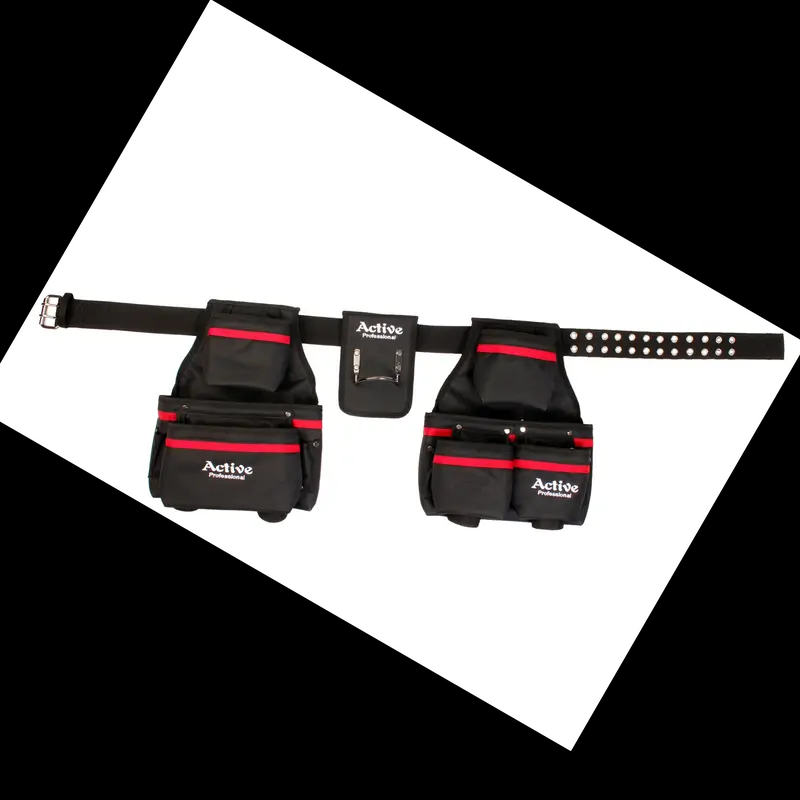
Capacity should match your daily kit, not your “worst day” kit. Overstuffed pouches spill parts and slow tool access. Underfilled pouches waste space and shift weight poorly. Look for a main pocket that fits your largest hand tool. Also check if it holds a tape measure without tipping outward. Fastener pockets should hold a handful, not just a pinch. Small-item pockets should be deep enough to prevent bounce-outs. If you carry sharp screws, check pocket corners for stiffness. Corners wear first in real work. A good Tool Belt carries your core kit without bulging into your thighs.
Pocket design decides your speed and your safety. Open-top pockets give fast access for drivers and pencils. They also spill more during kneeling, climbing, or crawling. Closed pockets protect small parts, yet they slow repeated grabs. A strong Tool Belt uses both styles in the right places. Look for sleeves for knives, chisels, and screwdrivers. They reduce punctures and keep edges away from your fingers. Check loop angles for hammer and tape access. A hammer loop should feel smooth on return. A tape clip should grip tight, then release cleanly. Retention matters most when you move, not when you stand still.
Balance prevents the belt from rotating around your hips. Rotation creates friction and uneven fatigue on one side. A wider belt spreads pressure across more surface area. It often feels better during long hand-tool sessions. Pouch placement matters as much as belt width. Heavy tools should sit near your hips, not far forward. Fasteners should split across both sides when loads get heavy. If one pouch carries everything, the Tool Belt will drift. Do a simple test before you commit. Load a mock kit, then stand relaxed for ten seconds. If it turns on its own, it needs better balance.
Sizing should match how you actually wear the Tool Belt. Most pros wear it on the hips, not the waistline. So measure around your hips over work pants. If you work in winter, plan for thicker layers. A belt that barely fits in summer will fail in winter. Look for easy micro-adjustments you can do mid-shift. Simple buckles and strong straps help here. Avoid belts that require full rethreading for small changes. Your body changes during the day, so the belt should adapt. For crews, wide sizing ranges also help shared gear programs.
Hardware failure ruins a job faster than worn fabric. Check the buckle feel and strap attachment points. Metal buckles often hold tension better under heavy loads. Plastic can work, but it must feel thick and secure. Look for reinforced stitching near buckle zones. Those areas take the highest stress during bending and lifting. Also check rivets or bar-tacks near pocket corners. Corners handle constant tugging from tool draws. A good Tool Belt feels solid when you shake it loaded. Nothing should rattle, twist, or feel loose. If hardware looks light, it often fails early.
Modularity helps your Tool Belt grow as your work grows. Detachable pouches let you scale up for heavy days. They also let you scale down for service calls. Check how pouches attach to the belt. Clips should lock firmly and release without struggle. Look for standard loops or webbing for add-ons. Tape clips, hammer loops, and phone pockets should mount cleanly. If you use specialty hand tools, plan dedicated sleeves. Modularity also helps training for new workers. They can start from a base layout and add one pouch per task. That keeps systems consistent across a crew.
Checklist item | What to look for | Quick test before buying |
Daily capacity | Fits your “90% tools” list | Load a mock kit and check bulging |
Pocket retention | Mix of open and secure pockets | Kneel and shake lightly for spills |
Balance | Left-right symmetry | Stand relaxed and watch for rotation |
Sizing range | Hip fit plus winter layers | Try it over a hoodie or jacket |
Hardware strength | Reinforced buckle and corners | Pull hard on pouches and buckle zone |
Modularity | Detachable, compatible add-ons | Move pouches and confirm they lock |
Tip: For B2B sourcing, ask suppliers to pack a “standard loadout” sample for testing.
Material changes weight, break-in, and long-term feel. Leather often lasts long and holds shape under heavy use. It also feels heavier and needs break-in time. Nylon and polyester rigs feel lighter and dry faster. They can work well in hot climates and wet environments. Hybrid Tool Belt designs aim for a balanced feel. They use a sturdy base plus lighter pouches. For hand tools, weight matters more than looks. A lighter rig helps you move longer without fatigue. Still, lighter fabric must be reinforced in wear zones. So material choice should include stitching and corner strength, not fabric name alone.
Build quality shows up in the wear zones first. Check pocket corners, belt edges, and attachment points. Those areas see constant abrasion and tugging. Double stitching often lasts longer than single lines. Bar-tacks at stress points can prevent sudden seam failure. Reinforced binding on pocket edges reduces fraying. Interior liners can protect fabric from sharp tools. If you carry a utility knife daily, this matters a lot. Also check belt edges for comfort. A rough edge will rub hips and shirts quickly. Good reinforcement keeps the Tool Belt stable after months of use.
Jobsites punish gear in simple, harsh ways. Dust sits inside pockets and grinds seams during tool movement. Moisture can weaken some materials and cause odor issues. Sunlight can fade fabric and dry out untreated leather. Choose a Tool Belt that matches your environment. For outdoor work, abrasion resistance matters most. For wet work, quick-drying fabric and drainage help. For indoor work, low-profile pouches protect finished surfaces. Also plan cleaning, since dirty pockets slow tool draws. Fabric rigs often clean faster than thick leather. The best choice keeps performance stable across seasons.
Material type | Strengths for hand tools | Trade-offs to accept |
Leather | Holds shape, very durable | Heavier, needs break-in |
Nylon/Polyester | Lighter, dries fast, easy cleaning | Can soften or stretch over time |
Hybrid | Balances weight and structure | Often costs more |
Coated fabric | Better moisture resistance | Coating may scuff or wear |
Note: For B2B specs, list fabric denier, stitching type, and hardware material clearly.
Comfort starts where the Tool Belt rests. Hip carry can reduce lower back strain during long work. Use this quick checklist to judge padding and stiffness fast.
● Place the Tool Belt on your hip bones.
● Choose firm padding that stays supportive.
● Prefer side padding, not only back padding.
● Avoid belts that fold under a loaded rig.
Suspenders help when the Tool Belt stays heavy all day. They shift some load to the shoulders, which can reduce hip hot spots. Use them only when they add real comfort.
● Add suspenders for heavy, all-day loads.
● Use them if hips feel numb or sore.
● Expect better stability during ladder work.
● Skip them in tight areas where straps snag.
A Tool Belt can feel fine in a store, then fail during real motion. Run a quick test and adjust once. If it still feels wrong, change rig style.
● Kneel, stand, then grab tools twice.
● Step up once, then check thigh clearance.
● Twist both ways, then watch belt drift.
● Sit briefly, then check buckle pressure.
● Rebalance pouches, then retest one time.Tip: For B2B trials, run a two-hour wear test and use one structured feedback form.
Price alone does not define value in a Tool Belt. A cheap belt can cost more through replacements and downtime. A better rig often lasts longer and feels better daily. Compare cost across months of use, not one checkout. Ask how it handles seam stress and wear zones. Ask if pouches are replaceable or fixed permanently. Replaceable parts can extend service life a lot. Also check how fast workers adopt the rig. If they dislike it, it becomes unused inventory. A good Tool Belt improves speed and reduces fatigue complaints. That performance often pays back the higher price.
Some problems show up before you buy. They are easy to spot if you look closely. Thin stitching at corners is a common warning sign. Loose rivets and weak clips also signal trouble. Vague labels like “durable fabric” add risk for buyers. Pouches that collapse can trap tools and slow draws. Poor balance in-hand often becomes worse when loaded. If you see these issues, move on quickly. They often predict early failure and user frustration. A Tool Belt should feel stable and predictable. If it feels sloppy in your hands, it will feel worse worn.
B2B buyers need proof, not promises. Ask for clear specs, then ask for test evidence. Request photos of reinforcement zones and stitching patterns. Ask for sample units and a consistent QC checklist. Ask about lead times and peak season planning. Ask about warranty terms and claim steps. If you need branding, ask about OEM and packaging options. Also ask about compliance audits and material safety claims. Many retail chains require social compliance audits. So confirm which audits the supplier supports and how often they renew. A transparent supplier will answer fast and document everything.
Buyer question | Why it matters | Evidence you can request |
What is the belt material and weight? | Predicts comfort and durability | Material spec sheet and sample unit |
How are corners reinforced? | Corners fail first in real use | Close-up photos and QC checklist |
What hardware is used? | Buckles decide safety and fit | Hardware spec and pull test notes |
Can pouches be replaced? | Extends service life | Spare parts list and repair policy |
What audits or compliance apply? | Supports retail supply chains | Audit certificates and test reports |
What is the warranty process? | Reduces risk for bulk orders | Written terms and claim steps |
Note: For bulk programs, standardize one layout per trade and train crews on it.
Choose a Tool Belt by your daily hand tools, not hype. Check pocket retention, balance, hip fit, and hardware strength. Then test it by kneeling, climbing, and twisting, so it stays stable in real work.
For bulk buyers, Kunyu Tool Bags ( Cambodia ) Co., Ltd. offers durable Tool Belt options built for jobsite use. Their 600D fabric, reinforced stitching, and practical pocket layouts support faster access and fewer drop losses. They also support OEM/ODM, sampling, and QC-backed delivery for smoother sourcing.
A: A Tool Belt fits your daily tools, stays balanced, and keeps items secure when you kneel or climb.
A: Measure your hips over work clothes, then pick a Tool Belt range that also fits winter layers.
A: Use a Tool Belt for frequent grabs, and a tool bag to stage heavier or spare tools nearby.
A: A Tool Belt twists when one side is heavier; rebalance tools and move bulky pouches toward your hips.
A: A Tool Belt can cost more if it lasts longer; compare durability, hardware, and comfort over time.


