
Address
Phum Boeng Thum Ti Pir, Sangkat Boeng Thum, Khan Porsenchey, Phnom Penh, Cambodia. 120907
Call Us
+86-13806227077


Views: 0 Author: Site Editor Publish Time: 2025-11-19 Origin: Site


Ever wonder how electricians manage to carry so many tools efficiently? Tool organization is crucial for electricians, ensuring their tools are always within reach and safely stored. In this post, you'll learn about the importance of tool organization and explore various methods electricians use to carry their tools, including the indispensable tool pouch.
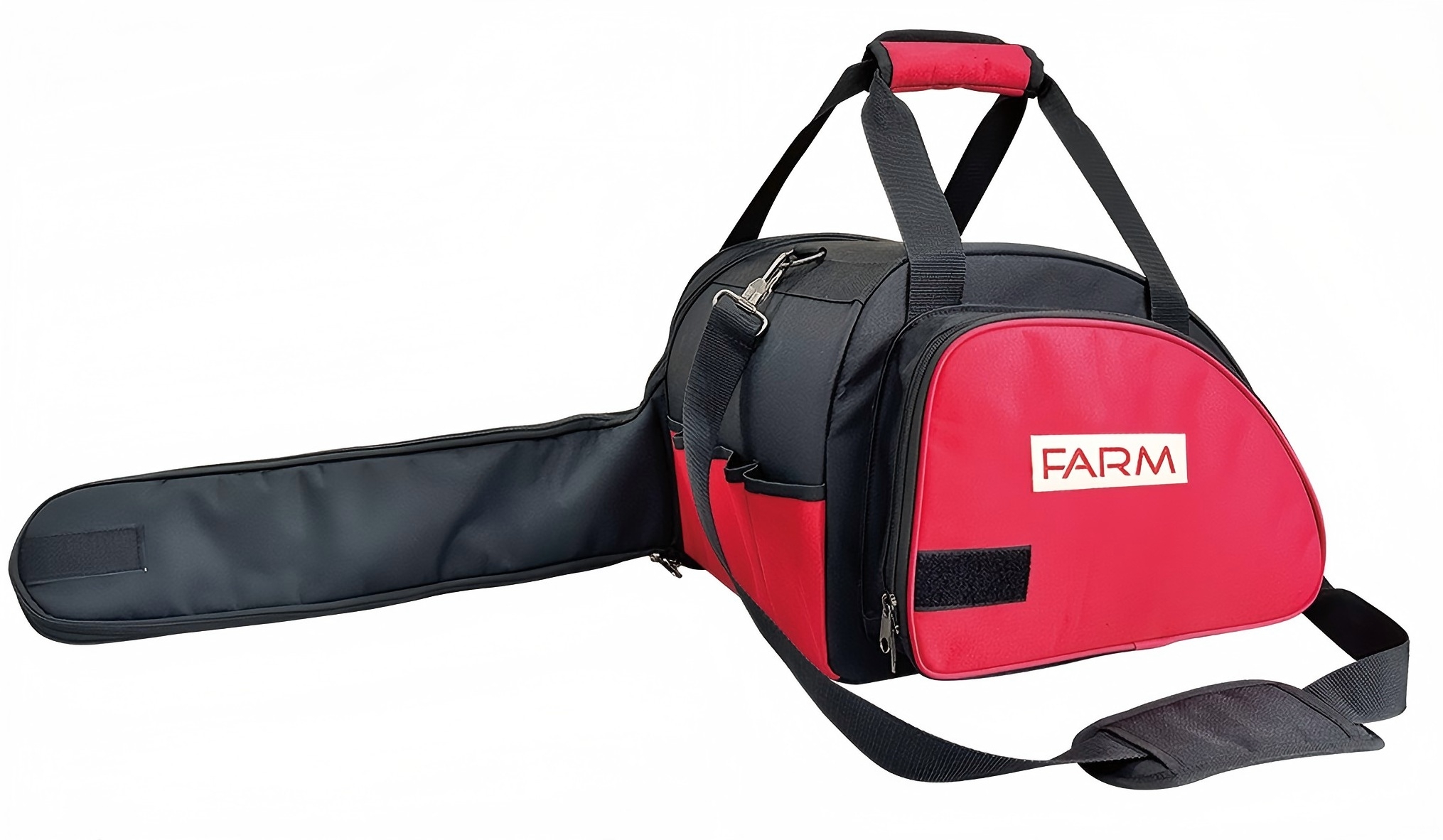
An electrician's tool pouch is a specialized carrying accessory designed to hold and organize essential tools used on the job. It typically attaches to a belt or can be worn as a standalone bag, allowing electricians to keep their tools within easy reach while working. The pouch's main purpose is to provide convenient access to tools, improve efficiency, and reduce downtime searching for equipment.
Tool pouches come in various sizes and styles but generally feature multiple compartments and pockets tailored to fit different types of tools. This design helps keep tools secure and prevents them from shifting or falling out during movement. Using a tool pouch means an electrician can move around job sites freely, whether climbing ladders, crawling under floors, or working in tight spaces, without constantly needing to return to a central tool storage location.
Improved Organization: Tool pouches help electricians keep their tools neatly organized. Each tool has a designated spot, making it easy to find what’s needed quickly. This organization reduces frustration and saves valuable time during work.
Enhanced Mobility: Carrying tools in a pouch worn on the body allows electricians to move around easily. They can access tools without bending down or carrying bulky toolboxes, which is especially helpful when working in confined or elevated areas.
Reduced Physical Strain: Many tool pouches are ergonomically designed to distribute weight evenly around the waist or hips. This reduces strain on the back and shoulders compared to carrying heavy tool bags or boxes by hand.
Safety: Keeping tools secured in a pouch minimizes the risk of dropping them, which could cause injury or damage. It also helps prevent tools from getting lost or misplaced on busy job sites.
Customization: Electricians can choose pouches that fit their specific needs, selecting models with pockets sized for their most-used tools. This customization ensures they carry only what’s necessary, reducing excess weight.
Durability: Tool pouches are usually made from tough materials like leather or heavy-duty fabric, built to withstand the rough conditions of construction sites and frequent use.
In summary, a tool pouch is an indispensable accessory for electricians. It boosts efficiency, supports safety, and enhances comfort by keeping essential tools organized and accessible throughout the workday.
Tip: Choose a tool pouch with multiple pockets sized for your most-used tools to keep everything organized and easy to find on the job.
Electricians rely heavily on hand tools for their daily tasks. Pliers are one of the most essential tools. Needle-nose pliers help grab wires in tight spaces, while lineman’s pliers are perfect for twisting and cutting wires. Side-cutting pliers are great for trimming wires cleanly. Screwdrivers come next, and electricians usually carry insulated ones to safely work on live circuits. Flathead and Phillips screwdrivers are the most common, but many also use multi-bit ratchet screwdrivers for versatility. Wire strippers are another must-have; they remove insulation without damaging the wire beneath. Other handy tools include utility knives for cutting cables and tape, and tape measures to ensure precise lengths.
Beyond hand tools, electricians carry specialized devices to test and measure electrical systems. A multimeter is crucial for measuring voltage, current, and resistance. It helps electricians troubleshoot circuits and confirm everything works safely. Voltage testers are simpler but equally important; they quickly check if wires or devices are live before work begins. Fish tape helps pull wires through conduits or walls, making installations smoother. Crimping tools allow electricians to attach connectors to wires securely. These specialized tools improve accuracy and safety on the job.
Safety is a top priority for electricians. Carrying personal protective equipment (PPE) is essential. This includes insulated gloves to prevent electrical shocks and safety glasses to protect eyes from flying debris. Hard hats shield against head injuries, especially on construction sites. Ear protection may be necessary around loud machinery. Some electricians also carry flame-resistant clothing or vests. Having the right safety gear on hand lowers risks and ensures compliance with safety standards.
Keeping tools organized in a tool pouch is key for every electrician. Start by grouping tools by type and size. Place the most frequently used tools in easy-to-reach pockets. For example, your pliers, screwdrivers, and voltage tester should be front and center. Use smaller pockets for items like wire nuts, tape, and pens. This way, you avoid digging through clutter when time is tight.
Label pockets or compartments if possible. It helps you quickly spot missing tools before leaving a job site. Also, keep sharp tools like knives or cutters in secure sheaths to prevent accidents. Regularly check your pouch and remove any unnecessary or broken tools to keep the load light.
Arrange tools based on how often you use them during a typical job. Daily essentials go in the most accessible spots. Less-used tools can be stored in deeper or side pockets. For instance, your multimeter or voltage tester is a must-have every day, so keep it handy. Specialty tools, like conduit benders or crimpers, might go in a separate bag or less accessible pouch if you use them less often.
This method reduces wasted time searching and lowers the risk of dropping tools. It also helps maintain focus and efficiency throughout the workday.
Carrying tools all day can strain your back and hips. To avoid discomfort, distribute weight evenly across your tool pouch. Place heavier tools like pliers or multimeters near your hips or lower pockets. Lighter items like tape or pens can go higher up or in smaller pockets.
Consider wearing a padded belt or suspenders to support the weight. This reduces pressure on your lower back and prevents fatigue. Also, avoid overloading your pouch—only carry what you need for the job. Carrying too much weight can lead to muscle strain or injury.
Regularly adjust your tool pouch to ensure comfort. If you feel pain or discomfort, take breaks and remove the pouch when possible. Your body will thank you in the long run.
Tip: Arrange your tool pouch so your most-used tools are easy to grab and heavier items sit low to balance weight and reduce strain.
Electricians usually choose between tool belts and tool backpacks to carry their gear. Tool belts wrap around the waist, offering quick access to tools. They keep everything within arm’s reach, perfect for tasks needing constant tool changes. However, belts can feel heavy after long hours and may cause strain if overloaded.
Tool backpacks, on the other hand, spread weight evenly across the shoulders and back. They free up the waist and hips, reducing discomfort during long jobs. Backpacks often have multiple compartments, making it easier to organize tools and carry larger items. Still, accessing tools can take longer compared to belts, especially when climbing ladders or working in tight spots.
Many electricians use a combination: a tool belt for daily essentials and a backpack for specialized or heavier tools. This approach balances convenience and comfort.
When picking a tool pouch, consider these features:
Durability: Look for tough materials like leather or heavy-duty nylon that resist wear and tear.
Pockets and Compartments: Multiple pockets help separate tools by type. Some pouches have reinforced pockets for heavy or sharp tools.
Comfort: Padded belts or straps reduce pressure on your body. Adjustable fittings ensure a secure, comfortable fit.
Accessibility: Tools should be easy to grab without fumbling. Open-top pockets or quick-release clips speed up work.
Weight Distribution: Good design spreads weight evenly, preventing fatigue or injury.
Weather Resistance: Water-resistant materials protect tools from rain or spills.
Size and Capacity: Choose a size that fits your typical tool load without being bulky.
Several brands stand out for quality and electrician-specific designs:
Klein Tools: Known for durable leather and nylon pouches. Their products often include reinforced pockets and ergonomic designs.
Milwaukee: Offers tool belts and backpacks with heavy padding and smart pocket layouts. Their pouches suit electricians who carry many specialized tools.
Gatorback: Features tool belts with extra back support and padded straps, ideal for reducing strain during long shifts.
DeWalt: Provides versatile tool bags and belts with rugged construction and weather-resistant materials.
Occidental Leather: Premium leather pouches designed for comfort and durability. Great for electricians wanting long-lasting gear.
Choosing the right pouch depends on your workflow, tool types, and comfort needs. Trying different styles can help find the perfect fit.
Keeping your tools clean is essential for longevity and performance. After each job, wipe down tools to remove dirt, grease, and debris. Use a dry cloth for most tools, but for tougher grime, a mild cleaner works well. Avoid soaking tools in water, as moisture can cause rust. For power tools, unplug before cleaning and use compressed air to clear dust from vents and crevices. Lubricate moving parts occasionally to keep them working smoothly.
Regular cleaning prevents buildup that can damage tools or reduce their effectiveness. For instance, wire strippers with sticky residue may not cut insulation cleanly. Also, keeping tools clean helps you spot damage early, allowing timely repairs.
Proper storage protects tools from damage and extends their life. Store tools in a dry, cool place away from extreme temperatures or humidity. Avoid leaving tools in damp basements or unheated garages where moisture can cause rust and corrosion.
Use storage solutions like toolboxes, cabinets, or specialized bags designed for electricians. These keep tools organized and prevent them from banging together, which can dull blades or damage delicate instruments like multimeters. For power tools, keep batteries indoors at recommended temperatures to preserve battery life.
Consider pegboards or wall-mounted racks for hand tools. These allow easy access and keep your workspace tidy. Label storage spots to quickly find tools and notice if anything’s missing.
Tools are valuable assets, so protecting them is vital. Always lock up your tools when not in use, especially on job sites. Use lockable toolboxes or secure storage rooms. If you carry tools in vehicles, park in well-lit areas and lock doors.
Mark tools with your company name or ID to deter theft and help recover lost items. Some electricians use RFID tags or GPS trackers for high-value tools.
Handle tools carefully to avoid drops or impacts that cause damage. Use padded cases for delicate instruments and avoid overloading tool pouches or bags, which can strain zippers and seams.
Personal Protective Equipment (PPE) is essential for electricians carrying tools on the job. Wearing insulated gloves protects against accidental electrical shocks. Safety glasses shield eyes from flying debris or sparks. Hard hats guard against head injuries, especially on construction sites. Ear protection helps in noisy environments. Flame-resistant clothing reduces burn risks. Always wear PPE that fits well and meets safety standards. It’s not just about compliance — it’s about protecting yourself every step of the way.
Overloading your tool pouch can cause serious problems. Too much weight strains your back, hips, and shoulders, leading to fatigue or injury. It also makes movement awkward and increases the chance of dropping tools. Carry only what you need for the job. Keep frequently used tools handy and store extras elsewhere — in a toolbox, vehicle, or job site storage. A lighter pouch means better balance and less physical stress.
Tools wear down over time. Regular inspections help catch issues early. Look for frayed insulation on cables, loose handles, or dull blades. Damaged tools can fail unexpectedly or cause accidents. Replace or repair worn tools promptly. Keep tools clean and dry to prevent rust and corrosion. A well-maintained tool pouch is safer and more reliable. Make tool checks part of your routine before and after work.
Electricians benefit from using tool pouches for organization, mobility, and safety. These pouches improve efficiency by keeping tools accessible and reducing physical strain. Electricians should consider optimizing their tool carrying methods for better performance and comfort. Choosing the right tool pouch can make a significant difference in daily tasks. Kunyu offers durable, customizable tool pouches that enhance work efficiency and provide excellent value, making them an ideal choice for professional electricians seeking reliable solutions.
A: A tool pouch is used by electricians to organize and carry essential tools, providing easy access and improving efficiency on the job.
A: A tool pouch enhances safety by securing tools, minimizing the risk of dropping them, and ensuring electricians have necessary equipment like insulated tools within reach.
A: Choosing the right tool pouch is important for comfort, organization, and weight distribution, reducing physical strain and increasing job performance.
A: Tool pouches offer enhanced mobility, reduced physical strain, and quicker access to tools compared to bulky toolboxes.


