
Address
Phum Boeng Thum Ti Pir, Sangkat Boeng Thum, Khan Porsenchey, Phnom Penh, Cambodia. 120907
Call Us
+86-13806227077


Views: 0 Author: Site Editor Publish Time: 2025-11-26 Origin: Site


Do your tools often fall out of place? A leather tool pouch might be the solution. These pouches keep tools organized and accessible. However, without proper conditioning, they can dry out and crack. In this post, you'll learn why conditioning is crucial for leather tool pouches. We'll also explore effective techniques to keep your pouch in top shape.
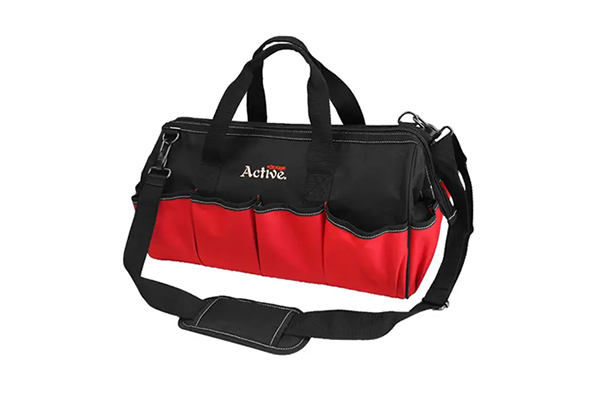
Leather tool pouches come in several types of leather, each with unique traits affecting durability and care:
Full-Grain Leather: This is the toughest and most natural leather. It ages beautifully, developing a rich patina, making it ideal for heavy-duty use. It requires less frequent conditioning but benefits from regular care to maintain suppleness.
Top-Grain Leather: This leather is sanded for a smoother finish, making it easier to clean. It’s slightly less durable than full-grain but still strong enough for daily use.
Genuine Leather: Made from lower layers of hide, it’s less durable and needs more frequent conditioning to avoid cracking and wear.
Suede and Nubuck: These soft, velvety leathers are delicate. They need specialized cleaning products and gentle handling to prevent damage.
Knowing the leather type helps choose the right cleaning and conditioning methods, ensuring longer pouch life.
Leather tool pouches, though sturdy, face several challenges over time:
Dryness and Cracking: Exposure to heat, sun, or neglect causes leather to dry out and crack. This weakens the pouch and reduces flexibility.
Mold and Mildew Growth: Storing pouches in damp or humid places encourages mold and mildew, which can stain and degrade leather.
Water Damage: Water weakens leather fibers and causes warping or stains. Quick drying and conditioning after exposure are essential.
Fading and Discoloration: UV rays and environmental factors dull leather’s color, making it look old and worn.
Regular maintenance prevents these issues, keeping the pouch functional and attractive.
Cleaning leather tool pouches properly is the first step to maintaining their durability and appearance. Start by removing loose dirt and dust using a soft brush or a microfiber cloth. Avoid harsh scrubbing, which can damage the surface. Use only a slightly damp cloth to wipe the leather gently; soaking it risks weakening the fibers or causing stains.
Always test cleaning products on a small, hidden area first to ensure they don’t discolor or dry out the leather. Keep cleaning sessions brief and avoid excessive moisture. After cleaning, allow the pouch to air dry naturally at room temperature, away from direct heat sources like radiators or sunlight.
Saddle soap is a traditional and effective cleaning agent designed specifically for leather. It gently removes dirt, grime, and old oils without stripping the leather’s natural moisture. To use saddle soap:
Lightly dampen a soft cloth or sponge.
Rub the saddle soap to create a light lather.
Apply the lather to the leather in circular motions, focusing on dirty spots.
Use a clean, damp cloth to wipe away the soap residue.
Let the leather air dry completely before conditioning.
Saddle soap not only cleans but also helps maintain the leather’s suppleness. However, avoid overuse, as repeated applications can alter the leather’s pH balance and cause dryness over time. It’s best suited for full-grain and top-grain leather rather than delicate suede or nubuck.
If saddle soap isn’t available, other mild cleaners can work well. Murphy Oil Soap, commonly used for wood, is gentle enough for leather and helps remove dirt without harsh chemicals. Diluted castile soap or glycerin-based soaps are also safe alternatives.
For stubborn grime, a mixture of warm water and a few drops of mild soap applied with a sponge works. Avoid soaking the leather; instead, use minimal moisture and wipe clean promptly.
Avoid household detergents, bleach, or ammonia-based cleaners; they can damage leather fibers and strip oils essential for flexibility.
Picking the right conditioner is key to keeping your leather tool pouch soft and durable. Different leathers need different care:
Full-grain leather benefits from natural oils like neatsfoot oil or lanolin. These penetrate deeply, restoring moisture without clogging pores.
Top-grain leather can handle commercial conditioners containing beeswax or silicone, which add surface protection and shine.
Genuine leather requires more frequent conditioning due to its lower quality. Use rich creams or balms to prevent cracking.
Suede and nubuck need special conditioners designed for their delicate nap. Avoid oily products, which can darken or stain.
Always check product labels for compatibility. Test conditioners on a hidden spot before full application to avoid discoloration or damage.
Follow these easy steps to condition your leather tool pouch effectively:
Clean first: Make sure the pouch is clean and dry. Dirt or moisture can trap under conditioner and cause damage.
Apply conditioner sparingly: Use a soft cloth or sponge to apply a thin, even layer of conditioner. Circular motions help it absorb evenly.
Focus on dry spots: Pay extra attention to areas that look cracked or faded. These spots need more moisture.
Let it absorb: Allow the conditioner to soak in for at least 30 minutes at room temperature. Avoid heat or sunlight during this time.
Buff the surface: Use a clean, dry cloth to buff the leather gently. This removes excess conditioner and brings out a nice sheen.
Repeat if needed: For very dry leather, apply a second light coat after the first has absorbed.
Conditioning regularly—every 3 to 6 months—helps maintain flexibility and prevents brittleness.
You can condition leather using homemade remedies or store-bought products. Each has pros and cons:
DIY conditioners: Common recipes include mixtures of lanolin, beeswax, and oils like olive or neatsfoot. They’re affordable and customizable but may lack preservatives or balanced formulas. Over-application risks buildup or sticky residue.
Professional products: Brands like Bickmore, Pecard, or Chamberlain’s offer tested formulas designed for leather care. They often combine cleaning and conditioning in one step and provide long-lasting protection. These products are safer for delicate leathers and come with usage instructions.
For sentimental or expensive pouches, professional products reduce risk of damage. DIY options work well for routine maintenance or if you prefer natural ingredients.
Tip: Always start conditioning with a small amount and build up slowly—over-conditioning can make leather sticky or attract dirt.
Leather tool pouches often dry out and crack from heat, sunlight, or neglect. To prevent this, regularly apply a quality leather conditioner every 3 to 6 months. Conditioners replenish oils lost over time, keeping leather soft and flexible. Avoid leaving your pouch in direct sunlight or near heaters, which accelerate drying. If you notice stiffness or small cracks, treat the area immediately with a conditioner to stop damage from worsening. Massaging the leather gently during conditioning also helps restore suppleness.
Stains and water can severely harm leather. For oil stains, sprinkle cornstarch or talcum powder on the spot and leave it overnight to absorb excess oil. Then brush off the powder gently. Ink stains require careful attention—dab the area lightly with rubbing alcohol on a cotton swab, testing first on a hidden spot to avoid discoloration. If your pouch gets wet, blot moisture quickly with a clean towel and let it air dry naturally at room temperature. Never use heat to speed drying, as it can cause shrinkage and cracking. After drying, apply conditioner to restore moisture lost during wetting.
Leather reacts to seasonal changes, so adjust care routines accordingly:
Summer: Use UV-protective sprays to guard against sun damage. Wipe sweat and oils off after use to avoid stains and deterioration.
Winter: Salt from snow and ice can stain leather. Clean salt residues promptly with a damp cloth, then condition to prevent drying.
High Humidity: Store pouches with silica gel packs to reduce moisture and prevent mold.
Dry Climates: Increase conditioning frequency to combat dryness and cracking caused by arid air.
Adapting care to the season ensures your pouch stays in optimal condition year-round.
Storing your leather tool pouch properly is crucial for extending its life. Always keep it in a breathable fabric bag or cover. Plastic bags trap moisture, causing mold and mildew growth. Avoid stacking heavy items on top of the pouch to prevent deformation. Keep the pouch upright or laid flat on a clean surface to maintain its shape. If you hang it, use padded hooks or hangers to avoid stretching or marks.
Regularly check the pouch for dust or dirt buildup, and wipe it gently with a dry cloth. Avoid storing leather pouches near heat sources or in direct sunlight, as this causes drying and fading. Instead, choose a cool, dark place like a closet or drawer. Proper storage prevents damage and keeps the leather supple and ready for use.
Leather reacts to humidity and temperature changes. Ideal storage conditions are around 60-70°F (15-21°C) and 40-50% relative humidity. Too much humidity encourages mold; too little dries out the leather. Use a dehumidifier in damp environments or silica gel packets inside storage bags to control moisture. In dry climates, increase conditioning frequency to combat leather dryness.
Avoid basements or attics, which often have fluctuating temperatures and humidity. If you must store leather in these areas, use climate-controlled containers or rooms. Proper climate control protects the leather’s fibers and prevents brittleness or mold growth.
Mold and mildew thrive in damp, poorly ventilated spaces. To prevent these, store your pouch in a dry area with good air circulation. Avoid sealing it in airtight containers or plastic bags. If you notice a musty smell or spots, clean the pouch immediately using a soft brush and saddle soap, then condition it well.
Regularly inspect the pouch, especially during humid seasons. Using leather protectants with anti-fungal properties can add a protective layer. If mold appears, treat it promptly to avoid permanent damage. Prevention is easier than restoration, so keep your pouch dry and ventilated.
Tip: Store leather tool pouches in breathable fabric bags and maintain stable humidity around 40-50% to prevent mold and keep leather supple.
Sometimes, leather tool pouches reach a point where home care isn't enough. If the leather is deeply cracked, extremely stiff, or has large areas of discoloration, it's time to consider professional restoration. Experts have the tools and products to repair severe damage, restore suppleness, and even recolor faded patches. They can also address structural issues like broken stitching or damaged hardware that DIY methods can't fix safely. When the pouch holds sentimental value or is a vintage piece, professional care ensures the best preservation without risking further harm.
DIY restoration can be rewarding and cost-effective for minor issues. Using quality conditioners, cleaning gently, and applying natural oils like lanolin or beeswax mixtures often revives dry, cracked leather. However, improper techniques may cause problems such as over-saturating the leather, sticky residue buildup, or uneven coloring. Harsh chemicals or excessive water can weaken fibers or alter texture. Without experience, repairing deep cracks or mold damage may worsen the pouch’s condition. Weigh the benefits of saving money and learning new skills against the risk of irreversible damage.
Leather tool pouches often carry memories beyond their function. Preserving their sentimental value means balancing restoration with respect for original features. Avoid aggressive cleaning or conditioning that changes the leather’s look drastically. Use gentle products and test on hidden spots first. Document any repairs or treatments to keep a history of care. When professional help is needed, choose restorers who understand the importance of maintaining authenticity. Proper maintenance prolongs the pouch’s life, letting it continue telling its story while staying usable.
Proper conditioning of leather tool pouches involves choosing the right conditioner, applying it correctly, and maintaining regular care routines. These practices prevent dryness, cracking, and other common issues, keeping the pouch durable and attractive. Regular maintenance enhances the pouch's lifespan and functionality. For high-quality leather care solutions, consider Kunyu products, which offer exceptional protection and value for your leather tool pouches. Always prioritize gentle cleaning and conditioning to preserve the leather's integrity and appearance.
A: Tool pouches are made from full-grain, top-grain, genuine leather, suede, and nubuck, each requiring specific care and conditioning.
A: Clean your leather tool pouch by gently wiping it with a soft cloth, using saddle soap or mild cleaners, and avoiding excessive moisture.
A: Conditioning your leather tool pouch maintains its suppleness, prevents dryness and cracking, and extends its lifespan.
A: Professional restoration costs vary based on the extent of damage but ensure safe repair and preservation of valuable or sentimental tool pouches.


