
Address
Phum Boeng Thum Ti Pir, Sangkat Boeng Thum, Khan Porsenchey, Phnom Penh, Cambodia. 120907
Call Us
+86-13806227077


Views: 0 Author: Site Editor Publish Time: 2025-11-21 Origin: Site


Ever wondered why your new leather tool pouch feels rigid? It's not just you; leather pouches often start off stiff. This can make them uncomfortable and hard to use initially. Softening your leather tool pouch is crucial for comfort and flexibility. In this post, you'll learn effective techniques to soften your pouch, ensuring it becomes a reliable tool companion.
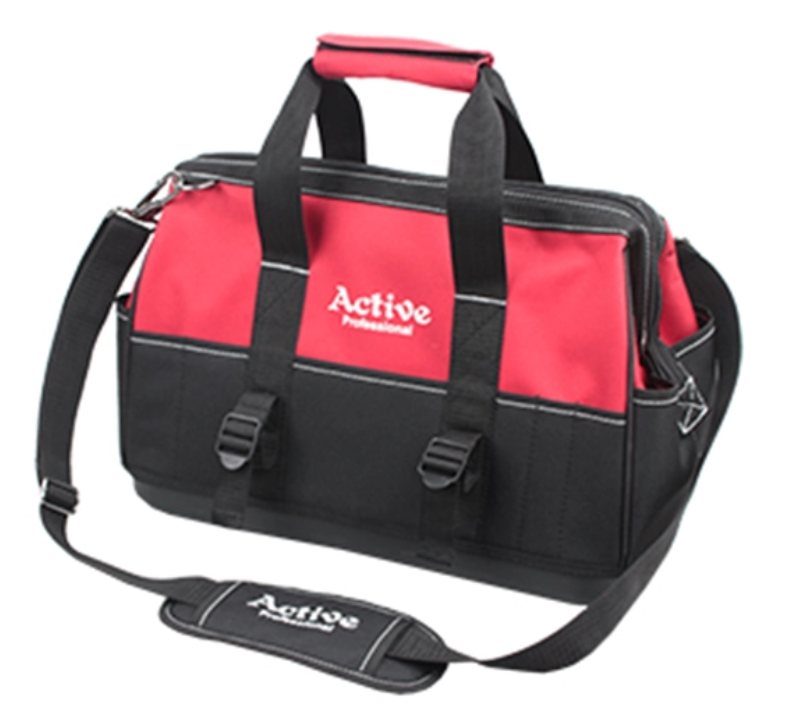
When choosing a leather tool pouch, knowing the type of leather is key. Each type has its own feel, durability, and stiffness. Let’s explore the main types you’ll find.
Full-grain leather is the highest quality. It comes from the top layer of the hide and keeps all its natural grain and markings. This leather is very tough, making it perfect for heavy-duty tool pouches. However, it starts off quite stiff because it’s thick and untreated. Over time, it softens beautifully and develops a rich patina, but expect a break-in period.
Top-grain leather is the next step down from full-grain. It’s sanded and buffed to remove imperfections, which makes it smoother and a bit more flexible right out of the box. It still holds up well under use but won’t be as stiff initially. This type offers a good mix of durability and comfort, ideal for those who want a pouch that’s ready to go sooner.
Genuine leather is made from the lower layers of the hide or from leftover scraps. It’s real leather but not as strong or long-lasting as full- or top-grain. Its stiffness can vary widely depending on how it’s processed. It’s often more affordable, making it a popular choice for budget-friendly tool pouches, though it may not soften as well or last as long.
Bonded leather is made by gluing together leather scraps and fibers. It’s the softest and least expensive option but also the least durable. Bonded leather tool pouches might feel pliable from the start but wear out quickly. It’s best for light use or short-term needs.
Leather stiffness depends on several key factors that influence how firm or flexible your new tool pouch feels. Understanding these can help you manage expectations and choose the best softening approach.
The type of animal and the thickness of its hide play a big role in stiffness. Cowhide, commonly used for tool pouches, is thick and durable but tends to be stiff initially. Goatskin or sheepskin, thinner and softer, produce more pliable leather. Thicker hides resist bending, so full-thickness leather pouches feel firm at first but last longer. Thinner hides soften faster but may wear out sooner.
Tanning transforms raw hides into durable leather. Two main methods affect stiffness differently:
Vegetable Tanning: Uses natural tannins from plants. It produces firmer, more rigid leather that softens slowly over time. This leather develops a rich patina but requires patience during break-in.
Chrome Tanning: Uses chromium salts. It yields softer, more flexible leather right away. Chrome-tanned leather is popular for pouches needing quicker usability but may not age as characteristically as vegetable-tanned leather.
After tanning, leather often undergoes treatments that impact feel:
Tumbling: Rotating leather in drums physically softens it by loosening fibers. Tumbling is common for tool pouches to reduce initial stiffness.
Surface Coatings: Finishes like waxes, oils, or synthetic coatings add protection but may stiffen leather temporarily. Natural finishes retain more suppleness but offer less water resistance.
Dyeing and Polishing: These steps can slightly harden leather’s surface depending on chemicals used.
Knowing these factors helps explain why your new leather tool pouch might feel tough but will become softer with proper care.
Tip: When buying a leather tool pouch, ask about the tanning method and finish to predict how stiff it will be initially and plan your softening routine accordingly.
Before you start softening your leather tool pouch, preparation is key. Proper prep ensures the softening process works well and keeps your pouch in great shape. Let’s walk through the essential steps.
To soften leather effectively, you need the right tools and products. Here’s a simple list to get you ready:
Soft Cloths: Use these for cleaning and applying conditioners or oils gently.
Leather Cleaner: A mild cleaner designed for leather removes dirt without harming the material.
Leather Conditioner or Cream: These moisturize and soften leather fibers.
Natural Oils (Optional): Mink oil or neatsfoot oil can add deep conditioning.
Vaseline (Optional): A mild softening agent for small stiff spots.
Soft Brush: Useful if your pouch has suede or napped leather parts.
Hairdryer (Optional): Use on a low heat setting to help conditioners absorb better.
Having these on hand makes the process smoother and safer for your pouch.
Cleaning is the first real step. Dirt, dust, or oils on the surface can block conditioners from soaking in properly. Here’s how to clean your pouch:
Empty the Pouch: Remove all tools and contents to avoid damage or interference.
Dust Off: Use a dry soft cloth to wipe away loose dirt and dust.
Apply Leather Cleaner: Lightly dampen a cloth with the cleaner. Gently wipe the leather surface, focusing on any visibly dirty spots.
Avoid Soaking: Don’t saturate the leather; too much moisture can harm it.
Dry Thoroughly: Let the pouch air dry completely before moving on.
This simple cleaning step preps the leather to absorb conditioners or oils deeply, making softening more effective.
Softening a new leather tool pouch can make it more comfortable and easier to use. Here’s a straightforward guide covering the best methods to get your pouch feeling supple and ready for work.
Leather conditioners or creams are designed to moisturize and soften leather fibers. Follow these steps:
Apply Sparingly: Use a soft cloth to spread a thin, even layer of conditioner over the pouch.
Use Circular Motions: Rub gently in small circles to help the product penetrate deep into the leather.
Focus on Stiff Areas: Pay special attention to corners and folds that feel extra rigid.
Let It Absorb: Allow the pouch to rest for several hours or overnight so the leather can soak up the conditioner.
Buff Excess: Use a clean cloth to remove any leftover product and restore a natural shine.
Repeat this process as needed until the pouch reaches your desired softness.
Natural oils like mink oil or neatsfoot oil penetrate leather deeply, offering excellent conditioning:
Test First: Try the oil on a hidden area to check for color changes.
Apply Lightly: Dab a small amount on a soft cloth and rub it gently into the leather.
Absorption Time: Let the pouch sit for a few hours to absorb the oil fully.
Remove Excess: Wipe off any surplus oil to prevent stickiness or dark spots.
Natural oils also add a layer of water resistance, helping protect your pouch during use.
Vaseline works well for mildly stiff spots or smaller areas:
Clean Surface: Ensure the leather is clean and dry before application.
Use Small Amounts: Apply a tiny dab of Vaseline with a soft cloth.
Work It In: Massage it gently into the leather.
Wait and Buff: Let it sit for a few hours, then buff off any excess to avoid a greasy finish.
This method is gentle and can be especially useful for spot treating stiff patches.
Heat helps open leather pores, allowing conditioners or oils to absorb better:
Use Low Heat: Set a hairdryer to a low or warm setting.
Keep Distance: Hold it about 6 to 8 inches away from the pouch.
Move Continuously: Avoid focusing heat on one spot to prevent damage.
Apply After Heating: Warm the pouch briefly, then apply your conditioner or oil.
Allow Cooling: Let the pouch cool naturally after treatment.
Heat speeds up softening but must be used carefully to avoid drying or cracking.
Tip: Always test any conditioner, oil, or Vaseline on a hidden spot first to prevent unwanted discoloration or damage to your leather tool pouch.
Softening your leather tool pouch doesn’t always require special products or complicated steps. Sometimes, simple everyday actions can do the trick, helping the leather become more flexible and comfortable over time. Here are some effective alternative methods you can try.
One of the easiest ways to soften leather is simply by using your tool pouch regularly. The natural movement and bending caused by carrying tools and handling the pouch help break down stiffness. Leather fibers gradually relax and mold to your hand and tools, making the pouch more pliable.
Carry your pouch during daily tasks.
Move and flex the leather as you work.
Over weeks or months, you’ll notice it becoming softer.
This method takes patience but is very effective and safe for all leather types.
If you want faster results, you can manually soften the leather by bending and manipulating it yourself. This method mimics natural wear but speeds up the process.
Gently bend the pouch in different directions.
Twist or fold the leather carefully, focusing on stiff spots.
Avoid sharp creases or excessive force to prevent damage.
Repeat this regularly to loosen fibers.
Manual manipulation helps loosen tight areas and improves flexibility without chemicals.
Stuffing your leather tool pouch can help maintain its shape while softening occurs. It also gently stretches the leather, preventing it from becoming too rigid in spots.
Use soft materials like clean cloths, foam, or paper.
Fill the pouch firmly but not overly tight.
Leave the stuffing inside when not in use or during conditioning.
This keeps the pouch’s form stable and helps soften the leather evenly.
Stuffing is especially helpful for new pouches that need both softening and shape support.
Tip: Combine wearing, gentle bending, and stuffing for best results—these natural methods speed up softening safely without risking leather damage.
Keeping your leather tool pouch soft after the initial conditioning and softening steps is essential. Proper ongoing care ensures the pouch stays flexible, comfortable, and durable over time. Here are some key practices to maintain that supple feel.
Leather dries out naturally from exposure to air, heat, and use. This drying causes stiffness, cracking, or brittleness if not addressed. To prevent this, establish a regular conditioning schedule:
Condition your pouch every 3 to 6 months, depending on use and environment.
Use a quality leather conditioner or cream designed for your pouch’s leather type.
Apply a light, even layer, focusing on areas that flex or show wear.
Allow the conditioner to absorb fully before using the pouch again.
Avoid over-conditioning, which can oversaturate and weaken the leather.
Regular conditioning replenishes lost oils, restoring softness and extending the pouch’s life.
How you store your leather tool pouch affects its softness and shape. Follow these storage tips:
Keep it in a cool, dry place away from direct sunlight or heat sources that dry out leather.
Avoid plastic bags or airtight containers that trap moisture and cause mold or mildew.
Use breathable fabric bags or pillowcases for storage to allow airflow.
Stuff the pouch lightly with soft cloths or paper to maintain shape and prevent creasing.
Store the pouch empty to avoid stress on seams or leather from tools.
Proper storage helps preserve the leather’s natural moisture and prevents stiffness from forming.
Daily handling and cleaning impact leather’s softness too. Keep these in mind:
Wipe your pouch regularly with a soft, dry cloth to remove dust and debris.
Clean spills immediately by blotting gently; avoid rubbing or harsh chemicals.
Use leather-specific cleaners for deep cleaning, followed by conditioning.
Avoid overstuffing the pouch, which stretches leather and causes deformation.
Handle the pouch gently, especially when bending or folding, to prevent cracks.
By treating your pouch carefully and cleaning it properly, you help maintain its supple texture and durability.
Softening a new leather tool pouch involves using conditioners, oils, and careful handling. Regular conditioning, proper storage, and gentle cleaning maintain softness. A soft leather pouch offers comfort and durability, enhancing tool accessibility. Kunyu provides high-quality leather tool pouches that combine durability with ease of use, ensuring long-lasting value for professionals and hobbyists alike.
A: Full-grain leather is ideal for durable tool pouches due to its toughness and longevity, although it starts off stiff and requires a break-in period to soften.
A: Applying leather conditioner or natural oils like mink oil can quickly soften a new leather tool pouch by moisturizing its fibers.
A: Leather tool pouches are stiff initially due to factors like hide thickness, tanning processes, and post-tanning treatments that affect leather's flexibility.


